Cape Cod Vacation Rentals
Where to?
Search destinations
Save When You Book Direct
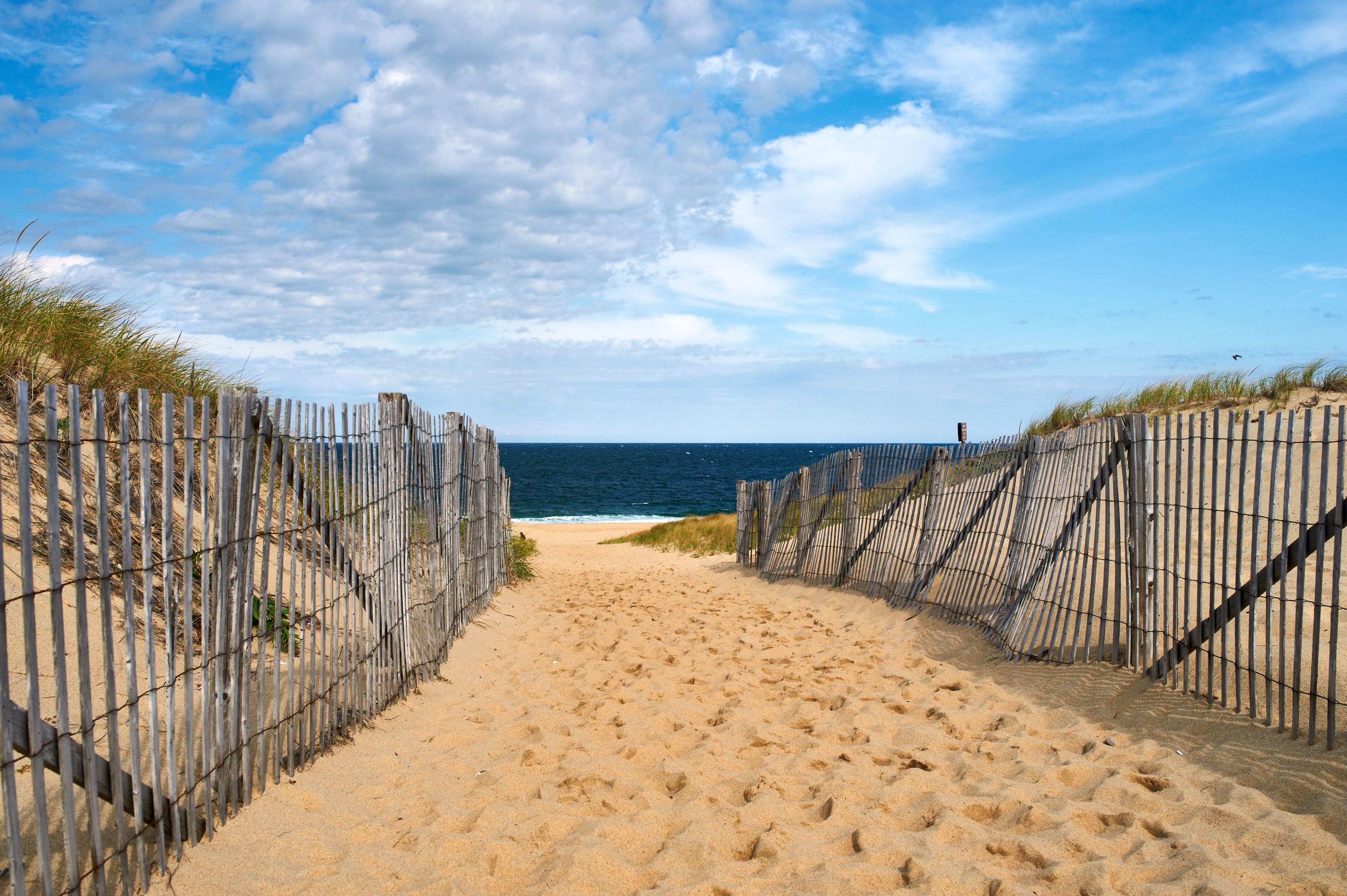
Cape Cod vacation rentals put you on a storied New England peninsula known for windswept beaches, classic harbors, bike trails through dunes, and seafood-forward dining. From the artsy tip of Provincetown to family-friendly bayside towns, the Cape offers walkable villages, protected seashores, and easy access to boating, whale watching, and sunset beaches.
Best Areas to Stay in Cape Cod
Provincetown: An energetic, walkable town at the Cape’s tip with galleries, nightlife, and quick access to the national seashore.
- Why stay here: arts & culture, dining, walkability.
Chatham: A refined coastal village with iconic beaches and a polished Main Street.
- Why stay here: classic Cape charm, beaches, shopping & dining.
Hyannis: A central hub with ferries to the islands, waterfront dining, and easy transportation.
- Why stay here: convenience, ferry access, nightlife.
Falmouth: A laid-back town near the Woods Hole ferry with bike paths and calm bays.
- Why stay here: biking, ferries, family-friendly.
Sandwich: One of the Cape’s oldest towns, close to the canal and quieter bayside beaches.
- Why stay here: history, quieter beaches, value.

Why Travelers Book Cape Cod Rentals Through Stay
Book the same Cape Cod homes you’ll find on major platforms, without the extra fees.
Stay connects you directly with professional property managers so you get better prices and better communication.
With Stay, you get:
- Lower prices by avoiding big-platform booking fees
- Direct access to the host before booking
- Transparent pricing with no surprise charges at checkout
- A simple process: find a property you like and send the host an email to ask about availability, amenities, or details before you commit
Booking directly with the host helps you avoid big-platform booking fees, often saving hundreds on longer stays.
Things to Do in Cape Cod, Massachusetts
Beaches & Coastal Activities
The Cape is defined by its coastline—Atlantic surf on one side, calm bay waters on the other, and miles of protected dunes.
- Cape Cod National Seashore: Wild beaches, lighthouse views, and walking trails through dunes
- Race Point Beach: Strong surf, sunsets, and frequent whale sightings offshore
- Chatham Lighthouse Beach: Photogenic bluffs and seals just offshore
- Craigville Beach: Warm Nantucket Sound waters and family-friendly swimming
Family-Friendly Activities
- Cape Cod Rail Trail: Paved bike path running through towns and conservation land
- Whale Watching Tours: Seasonal trips with high sighting rates from Provincetown and Barnstable
- Mini Golf & Ice Cream Stops: A classic Cape Cod tradition for kids of all ages
Nature & Wildlife
- Salt Marsh Kayaking: Paddle through tidal creeks with birds and changing light
- Cranberry Bogs: Seasonal landscapes unique to the region
- Seals & Shorebirds: Common sights along the Outer Cape beaches
Shopping & Dining
- Provincetown Commercial Street: Boutiques, galleries, and seafood spots
- Chatham Main Street: Polished shops and classic New England dining
- Hyannis Waterfront: Casual harborside restaurants and live music in summer
Water Activities
- Sailing & Boating: Protected bays and harbors ideal for day trips
- Stand-Up Paddleboarding: Calm waters along Nantucket Sound
- Fishing Charters: Inshore and offshore options depending on season
Local Insight: What Makes Cape Cod Unique
Cape Cod’s influence far exceeds its size, shaped by extreme geography, cultural concentration, and historical accidents.
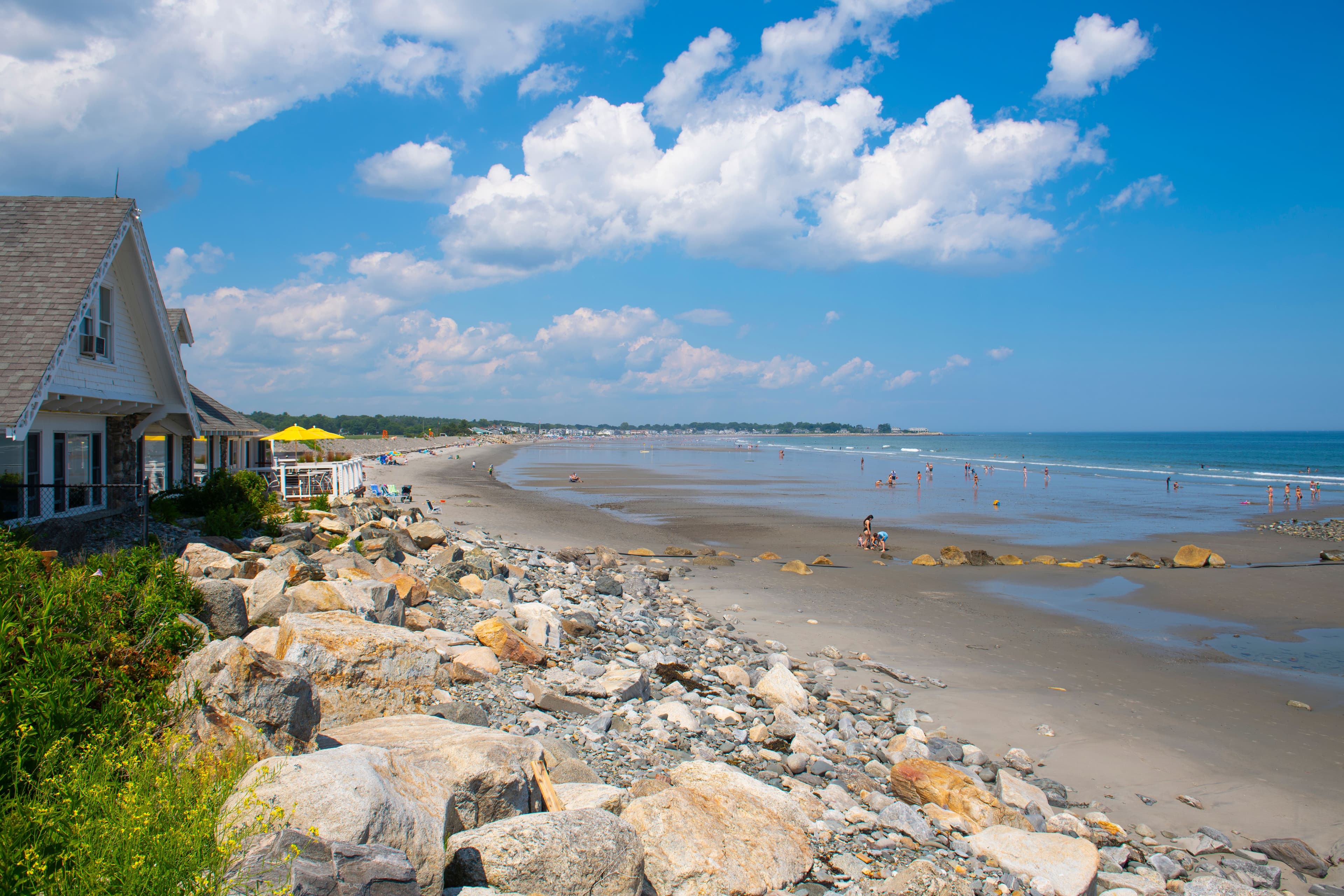
- Cape Cod has two completely different coasts: the Atlantic side is colder, rougher, and dramatic, while Nantucket Sound beaches are calmer, warmer, and better for swimming.
- Cape Cod has no natural freshwater lakes; what look like lakes are kettle ponds formed by melting glacial ice, and many have exceptionally clear water.
- Cape Cod is one of the fastest-eroding coastlines in the United States, with some Outer Cape beaches losing several feet of shoreline per year, which is why entire roads and houses have been relocated inland.
- The Cape has one of the highest concentrations of second homes in the country, which quietly shapes its architecture, zoning, and hyper-seasonal rhythm of life.
Frequently Asked Questions About Cape Cod
June through September offers beach weather, with July and August the busiest; May and September are quieter with mild temperatures.
A car is strongly recommended for most visitors, as beaches, towns, and restaurants are spread out, though Provincetown is walkable once you arrive.
Yes, especially towns along Nantucket Sound, which offer gentle beaches, bike paths, and easy access to family-friendly activities.
Most Cape towns are about 1.5 to 2.5 hours from Boston depending on traffic and location.
Absolutely—many travelers choose larger homes, including family-friendly rentals or vacation rentals with pools.
Yes—there are beachfront rentals on both the Atlantic side and along Nantucket Sound, depending on the experience you want.
It depends on your priorities: the Upper and Mid Cape are more convenient and family-friendly, while the Outer Cape is quieter, more scenic, and feels more remote.
Late June and September offer warm weather with fewer visitors, while July and August are the busiest months.
Traffic can be heavy on summer weekends due to the two bridges; arriving early in the morning or later in the evening helps significantly.