
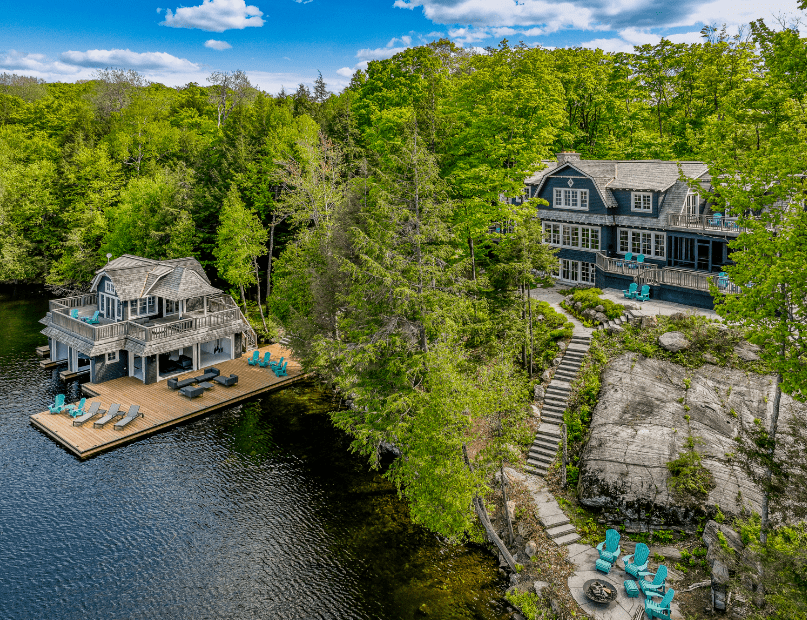
Muskoka has over 1,600 lakes, five main towns, and cottage rental prices that range from genuinely accessible to genuinely steep. If you’re planning a trip and trying to figure out where to start, that breadth can feel like a problem rather than an asset.
This guide breaks down how Muskoka is actually structured: which lakes suit which type of traveller, what the main towns offer, what to look for in a rental property, and how to book direct without paying OTA platform fees on top of an already premium market.
TABLE OF CONTENTS
- How Muskoka is Structured
- The Big Three Lakes: Which Is Right for You?
- Muskoka’s Main Towns: What Each One Offers
- What to Look for in a Muskoka Cottage Rental
- Plan Your Muskoka Cottage Rental
- FAQ
How Muskoka Is Structured
What is the Muskoka region?
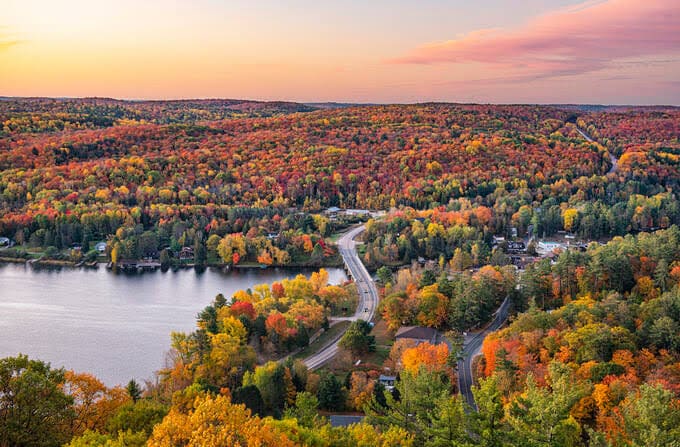
Muskoka is a district in central Ontario, roughly two hours north of Toronto via Highway 400 and Highway 11. It covers over 6,400 square kilometres of Canadian Shield terrain, with granite outcroppings, pine and maple forest, and more than 1,600 lakes.
The core of the region centres on three large connected lakes: Lake Muskoka, Lake Rosseau, and Lake Joseph, known collectively as the Big Three. Around these lakes sit the region’s five main towns: Gravenhurst, Bracebridge, Port Carling, Huntsville, and Bala.
Most visitors either rent a cottage directly on one of the lakes and use the towns for supply runs and day trips, or stay in a town-adjacent property and explore the water by boat or kayak. The two approaches produce quite different experiences, and knowing which one you’re after before you search saves a lot of time.
The Big Three Lakes: Which Is Right for You?
What is Lake Muskoka like for a cottage rental?
Lake Muskoka is the largest and most accessible of the three, sitting between Gravenhurst in the south and Port Carling in the north.
It’s the lake most people picture when they think of Muskoka: wide open water, rocky shorelines, mature pine and hardwood forest, and a mix of heritage cottages and newer builds.
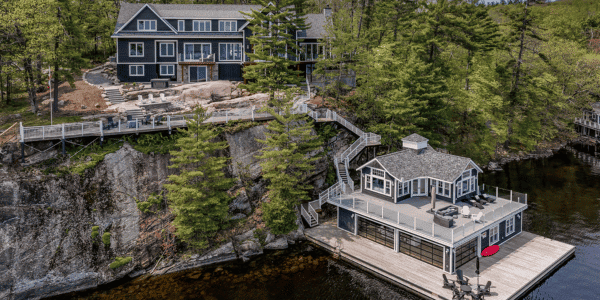
It’s also the most developed of the Big Three, with more rental inventory and a wider price range than Rosseau or Joseph.
For families and first-time Muskoka visitors, Lake Muskoka is generally the most practical starting point. The proximity to Gravenhurst and Bracebridge means grocery runs and services are straightforward. The lake suits motorized water sports well, and its size means you can find quieter bays even on busy summer weekends.
What is Lake Rosseau like for a cottage rental?
Lake Rosseau sits north and west of Lake Muskoka, connected to it via the Indian River through Port Carling. It has a reputation as Muskoka’s most prestigious lake, home to some of the region’s most significant heritage properties and the JW Marriott Rosseau Muskoka Resort.
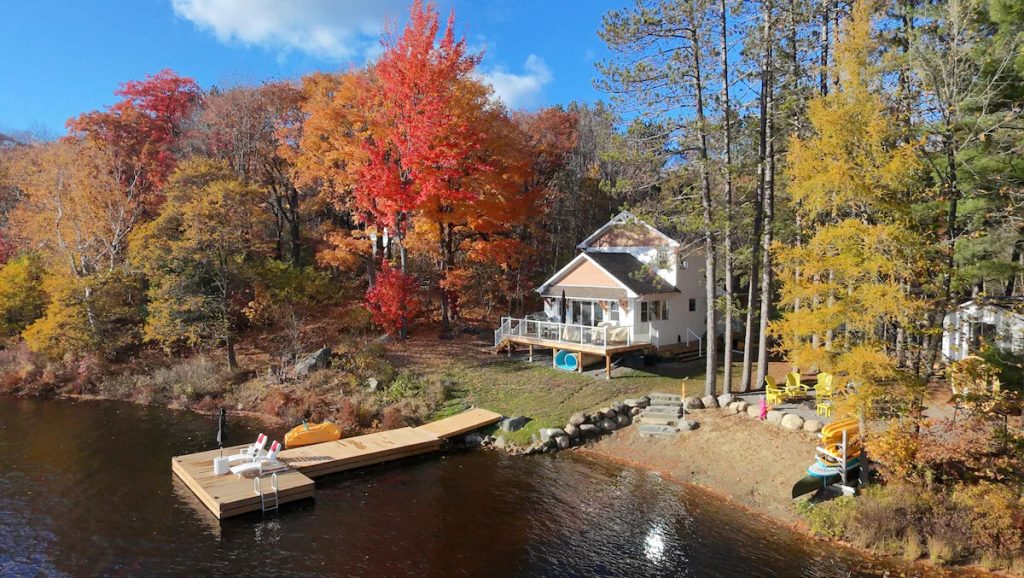
Rental prices on Lake Rosseau reflect that: premium lakefront weeks consistently run higher than comparable properties on Lake Muskoka.
The lake itself is slightly smaller and more private-feeling than Lake Muskoka, with deep, clear water and a shoreline that mixes rocky points with sandy beaches.
For couples or families who want a quieter, more secluded experience and are willing to pay for it, Rosseau delivers. Port Carling sits at the junction of all three lakes and is a natural hub for exploring the area by boat.
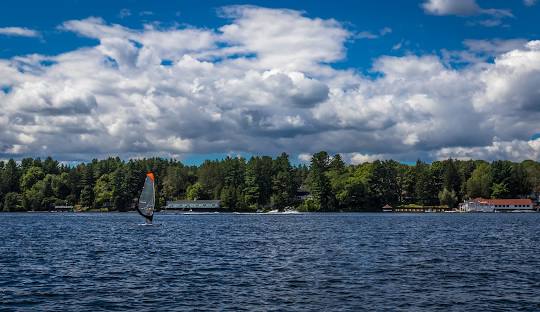
What is Lake Joseph like for a cottage rental?
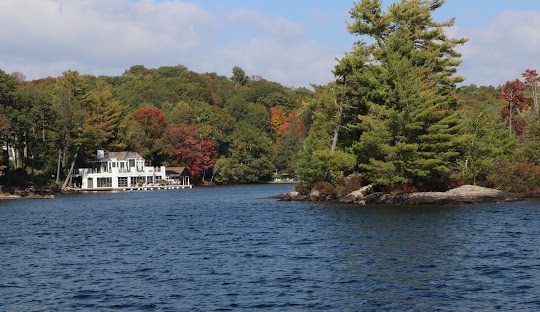
Lake Joseph is the northernmost and most private of the Big Three, connected to Lake Rosseau via a short channel near Port Sandfield.
It has the fewest rental listings and the highest average pricing, with large, long-established cottages making up much of the waterfront. Public access is limited and boat traffic is low compared to Lake Muskoka.
If privacy and seclusion are the priority, Lake Joseph comes closest to delivering that in Muskoka. It suits experienced cottage-country visitors who know what they’re looking for, rather than first-timers still getting a feel for the region.
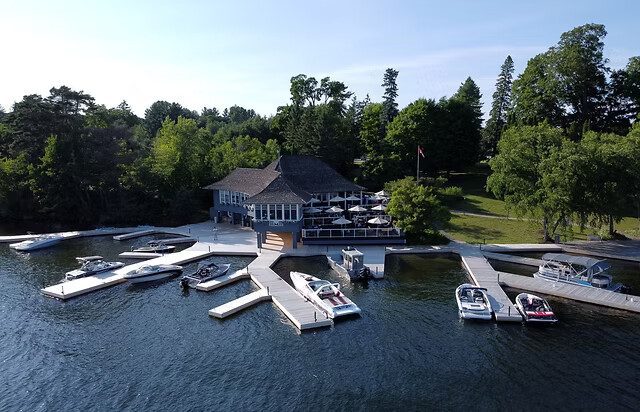
Muskoka’s Main Towns: What Each One Offers
Gravenhurst
Gravenhurst sits on the south shore of Lake Muskoka and is the first town you reach coming up Highway 11 from Toronto.
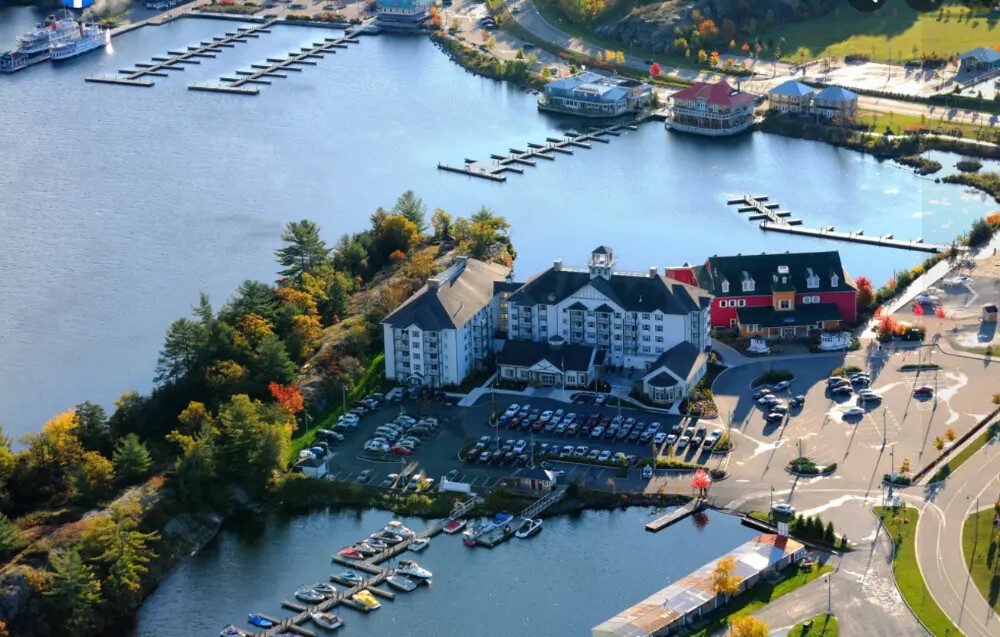
It has strong everyday services, a solid restaurant scene along the Muskoka Wharf, and the Muskoka Steamships and Discovery Centre, which operates historic tours on the RMS Segwun, the oldest operating steamship in North America.
Gravenhurst is a practical, well-serviced base for Lake Muskoka rentals on the southern part of the lake.
Bracebridge
Bracebridge sits at the centre of the district on the north branch of the Muskoka River. It has the widest range of services of any Muskoka town: boutique shops, restaurants, a strong local arts scene, and High Falls of the Muskoka River a short walk from the town centre.
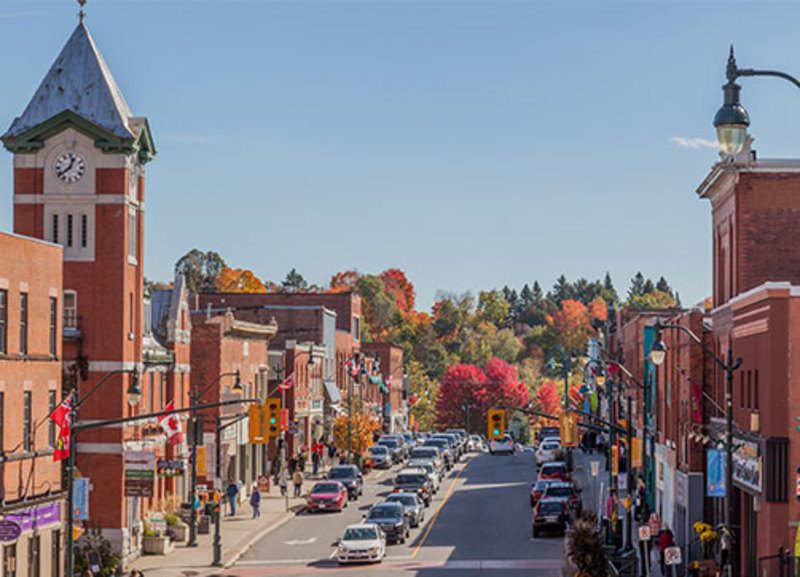
For families renting on Lake Muskoka or smaller nearby lakes, Bracebridge offers the most complete base for day-to-day needs.
Port Carling
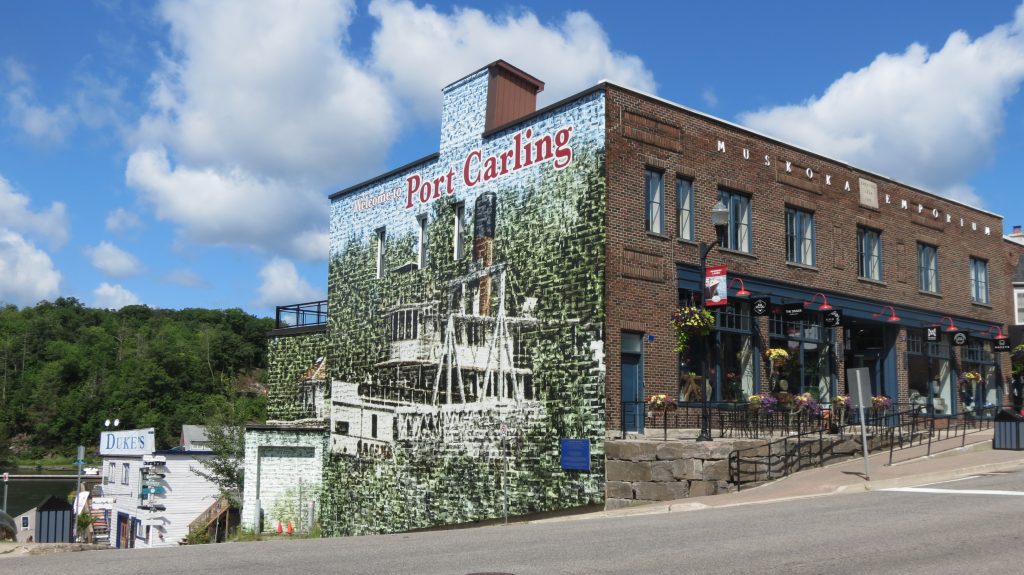
Port Carling sits at the junction of all three Big Three lakes, connected by the Indian River locks. It’s smaller than Gravenhurst or Bracebridge, with upscale shops, restaurants, and galleries that reflect the character of the Rosseau and Joseph waterfront.
The boat lock in the centre of town is worth timing a lunch stop around: watching vessels navigate the lift between lake levels is a slice of working Muskoka history. Port Carling is the natural base for rentals on Rosseau or Joseph.
Huntsville
Huntsville is Muskoka’s largest town, with a population around 19,000, a performing arts venue, and the full range of urban services you’d expect from a regional centre.
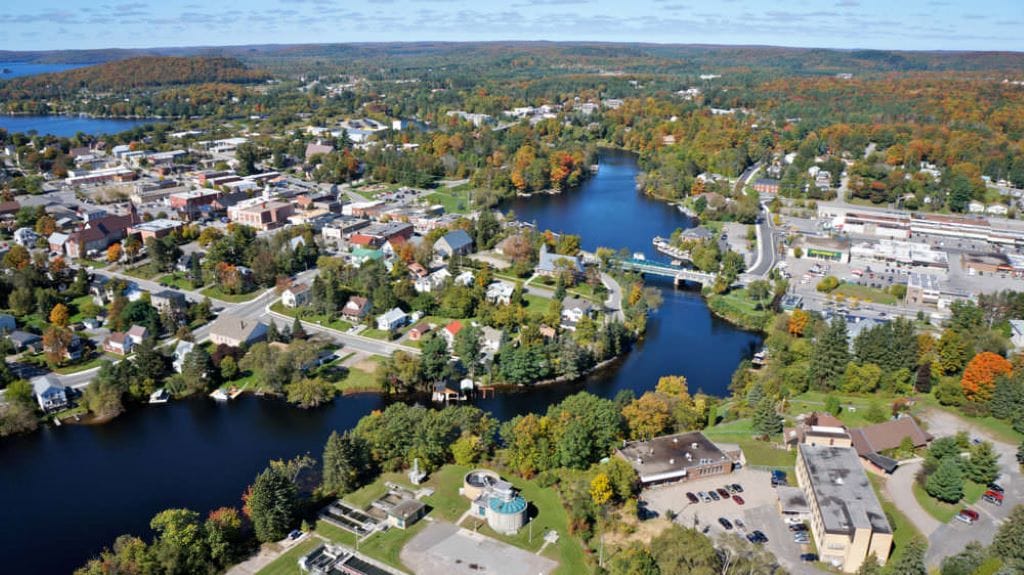
Its real draw for cottage renters is location: Algonquin Provincial Park’s west gate on Highway 60 is about 45 minutes east, and Arrowhead Provincial Park is right on the doorstep. For families or outdoor enthusiasts who want both a cottage base and serious park access, Huntsville is the strategic pick.
Bala
Bala is a small village on Lake Muskoka’s western arm, quieter and more off-circuit than the other towns.
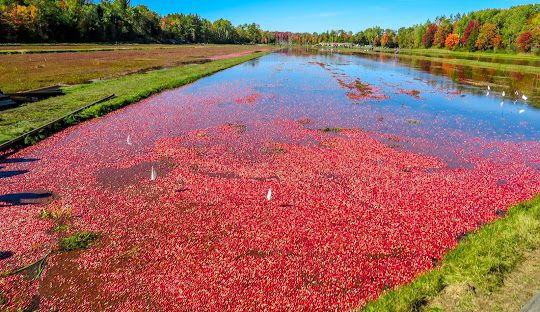
It has a handful of restaurants, the Muskoka Lakes Farm and Winery (the region’s cranberry farm and a well-known fall destination), and a pace that feels a generation removed from Port Carling.
For travellers who want proximity to the lake without the resort-crowd atmosphere, Bala is worth considering.
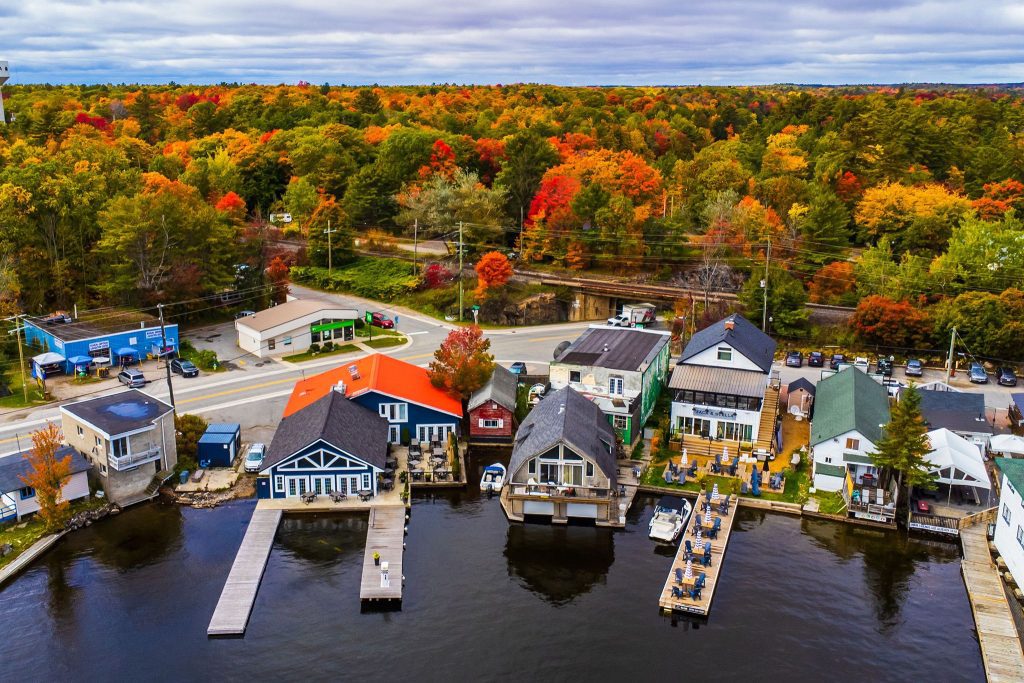
What to Look for in a Muskoka Cottage Rental
Waterfront access: what the listing doesn’t always tell you
In Muskoka, “waterfront” is not a uniform thing. A property can be waterfront and have a steep, rocky shoreline with no safe entry point for swimming or launching a kayak.
Before booking, confirm the specific shoreline type: sandy beach, gradual rocky entry, or dock-only access. For families with young children, a gradual entry makes a significant practical difference to how much time actually gets spent in the water.
Motorized vs. non-motorized lakes
Many of Muskoka’s smaller lakes have motor restrictions that limit or prohibit powerboats. If waterskiing, wakeboarding, or towing a tube is part of the plan, confirm that your target lake permits motorized watercraft before committing.
Conversely, if quiet paddling and seclusion are the draw, a non-motorized lake delivers both in a way that the Big Three cannot on a July weekend.
When to book and what season suits you
Peak season runs from the Victoria Day long weekend in May through Labour Day in September, with July and August commanding the highest rates. Shoulder season, particularly late September through mid-October when fall colours peak, offers significantly lower pricing, smaller crowds, and the same landscapes at their most photogenic.
Many properties rent by the week in peak season and by the night in shoulder periods.
Why booking direct matters in Muskoka
Muskoka is already a premium rental market. Adding 15% in OTA platform fees on top of peak-season weekly rates (Airbnb charges 15% to hosts which ends up passed on onto the travelers’ nightly fee) pushes the total cost well above what the listed price implies.
On Stay, professional hosts list their properties directly for an annual fee and keep 100 percent of their income. No platform commission is added to your total. In a market where a week on a premium lake can run several thousand dollars, that difference is worth the extra step.
Plan Your Muskoka Cottage Rental
Muskoka books early.
The best waterfront properties on all three lakes are often reserved months in advance for peak summer weeks, and even shoulder-season inventory moves faster than most people expect.
Browse Muskoka cottage rentals on Stay, compare properties across the lakes and towns on a map, and book directly with the host. Whether you’re after a lakefront week on Lake Muskoka with the whole family or a quiet fall rental on a smaller lake near Bala, the right property is out there.
FAQ
What is the best lake in Muskoka to rent a cottage on?
It depends on your priorities.
- Lake Muskoka is the most accessible, most varied in price, and best suited to first-time visitors and families.
- Lake Rosseau is more private and commands higher prices, with a more secluded feel.
- Lake Joseph is the most private and most expensive of the three, with limited inventory.
For most visitors, Lake Muskoka offers the best balance of experience and value.
How far is Muskoka from Toronto?
Approximately two hours by car from downtown Toronto via Highway 400 and Highway 11, depending on your destination within the district.
Gravenhurst is the closest main town at around 140 kilometres. Huntsville, at the northern end, is about 215 kilometres. Ontario Northland also runs seasonal bus service from Toronto’s Union Station Bus Terminal to Gravenhurst and Bracebridge.
How much does it cost to rent a cottage in Muskoka?
Prices vary by lake, property size, and season. On the Big Three lakes in peak summer, a week in a four-bedroom waterfront cottage typically runs between $4,000 and $10,000, with premium properties on Lake Rosseau and Lake Joseph going higher. Smaller lakes and shoulder-season bookings are more accessible. Booking direct through Stay avoids the 15 to 25 percent OTA fee otherwise added to those totals.
Do I need a boat to enjoy a Muskoka cottage?
Not necessarily, but waterfront access from your property makes a significant difference. Most waterfront rentals include canoes, kayaks, or paddleboards. For motorboating, several rental operators in Gravenhurst and Port Carling deliver to your cottage. Day trips by car connect all of Muskoka’s main towns without needing water access.
What is the difference between Muskoka and Haliburton?
Muskoka is more developed, better known, and more expensive, with larger lakes and more resort infrastructure. Haliburton, and specifically Algonquin Highlands township, is quieter, less expensive, and closer to Algonquin Provincial Park’s southern boundary. Travellers who want a more remote experience with more value per rental dollar often find the Highlands suits them better. We covered the comparison in detail in our Algonquin Highlands vs. Muskoka guide.
Is Muskoka worth visiting outside of summer?
Absolutely. Fall is Muskoka’s most underrated season: colours peak between early and mid-October, crowds thin after Labour Day, and cottage rental rates drop noticeably. Winter brings snowmobiling on OFSC trail networks, ice fishing, and skating at Arrowhead Provincial Park. Spring is the quietest season of all, with pricing at its most accessible.