
Kīhei is one of the best home bases on Maui because it’s sunny, central, and sits close to some of the most dramatic scenery the island has to offer.
Most of the experiences that define Maui for visitors are within a two-hour drive including a dormant volcano rising to 10,023 feet, 64 miles of winding coastal rainforest road, a historic whaling town rebuilding its identity, cowboy-country upcountry farms, and one of the best snorkeling craters in the Pacific. The challenge from Kīhei isn’t finding day trips, it’s choosing which ones to do and in what order.
This guide covers the eight best day trips from Kīhei, each with real drive times from central Kīhei (not Kahului), honest notes on what the experience actually delivers, and the caveats you’ll want to know before you go. All of these require a rental car as there’s no practical way to reach any of them on TheBus or a tour that doesn’t leave your schedule in someone else’s hands.
One planning note: Do not attempt Road to Hana and Haleakalā Summit on back-to-back days early in your trip. Both are long, tiring, and require early starts. Space them out with beach days between them. You’ll thank yourself for it.
Quick Reference: Day Trips from Kīhei at a Glance
| Destination | Drive Time from Kīhei | Entry Fee | Best Season | Leave By |
| Road to Hana (full day) | ~1.5 hrs to Pāʻia start | Free (Kīpahulu: $30/vehicle) | Year-round; drier Apr–Oct | 6:00–6:30 AM |
| Haleakalā Summit (sunrise) | ~2–2.5 hrs | $30/vehicle (+ $1 reservation) | Year-round | 2:30–3:00 AM |
| Haleakalā Summit (daytime) | ~2–2.5 hrs | $30/vehicle | Year-round | 7:00–8:00 AM |
| Upcountry Maui (Makawao/Kula) | ~35–45 min | Free | Year-round | 9:00 AM |
| West Maui / Lahaina | ~45–60 min | Free | Year-round | 9:00 AM |
| Molokini Crater (boat tour) | 10 min to Māʻalaea Harbor | $80–$150/person | May–September (calmer seas) | 6:30 AM |
| ʻĪao Valley State Monument | ~40 min | $5/person | Year-round | 9:00 AM |
| La Pérouse Bay & Ahihi-Kīnaʻu | ~20 min | Free | Year-round | 8:00 AM |
1. Road to Hana: The Full-Day Commitment
Drive time from Kīhei: ~1.5 hours to the traditional start in Pāʻia, then 2+ hours to Hāna town along the highway
Entry fee: Free along the highway; Kīpahulu District of Haleakalā National Park (Pīpīwai Trail, Pools of ʻOheʻo) requires a $30/vehicle fee. Keep the receipt, it’s valid for 3 days and also covers the Summit District
Best season: Year-round, though the east side of Maui receives heavy rainfall, particularly November through March
Leave Kīhei by: 6:00–6:30 AM at the latest
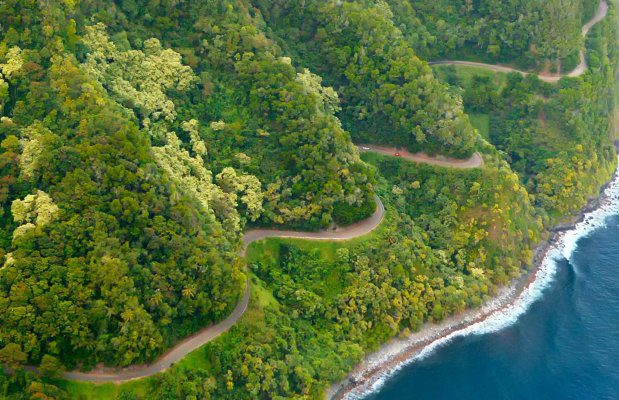
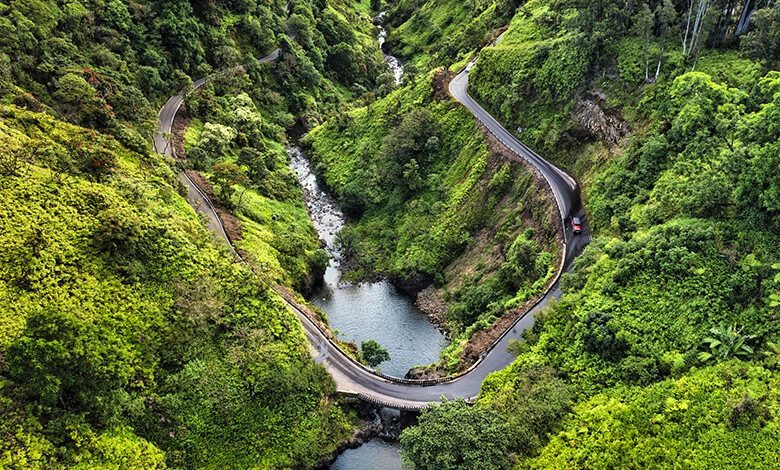
The Road to Hana, officially the Hāna Highway (Hwy 36 and 360), covers 52 miles from Pāʻia to Hāna town, threading through 59 one-lane bridges, 620 turns, and a steady sequence of waterfalls, jungle overhangs, fruit stands, and coastal overlooks.
From Kīhei, you’ll head north toward Kahului first (use Hansen Road past the Puʻunēnē sugar mill to bypass airport traffic), then swing east through Pāʻia and onto the highway. Budget 10–12 hours for the full experience.
The non-negotiable stops are:
- Twin Falls: mile marker 2 — arrive early before crowds; it’s a short, easy trail to two swimming holes and usually the first waterfall most people see
- Keʻanae Peninsula: a windswept lava peninsula with taro fields and a view that looks nothing like the jungle you’ve been driving through
- Wailua Valley State Wayside: a brief pull-off with sweeping views over taro terraces and the coast
- Aunty Sandy’s Banana Bread Stand in Keʻanae: opens around 7 a.m. and consistently sells out by early afternoon. One loaf never feels like enough.
- Near mile marker 27, Coconut Glen’s serves dairy-free coconut ice cream with rotating tropical flavors out of a roadside setup that operates on the honor system for payment timing. Stop here.
If you have the time and energy, continue past Hāna town another 10 miles to the Kīpahulu District of Haleakalā National Park for the Pīpīwai Trail which is 5 miles round trip through bamboo forest to the 400-foot Waimoku Falls.
This is one of the best hikes in all of Hawaii, and the bamboo section specifically is unlike anything else on the island. The Pools of ʻOheʻo (Seven Sacred Pools) are visible from the trailhead, though direct pool access has been restricted in recent years for safety reasons. Check nps.gov before you go.
There is one gas station in Hāna town, and it charges well above standard Maui prices. Fill up completely in Kahului before you leave. Cell coverage drops off past Haiku and stays unreliable for most of the drive, so download your navigation offline before departing.
TIP: The Road to Hana is genuinely exhausting.
- The decision fatigue of 50+ potential stops across a 12-hour day on a narrow, winding road has ended many vacations in a car argument.
- Pick 8–10 stops in advance using a mile-marker guide and stick to them. Do not try to see everything.
- The back road return route via Highway 31 through Kaupō looks tempting on a map, but it has a rough, unpaved section most rental car agreements explicitly prohibit, with no guardrails above cliff drops and no cell service if something goes wrong. Drive back the way you came.
2. Haleakalā Summit — Sunrise
Drive time from Kīhei: ~2–2.5 hours
Entry fee: $30/vehicle; sunrise reservations $1 through Recreation.gov (required, opens 60 days in advance)
Best season: Year-round — summit can be cold (near freezing) any time of year; summer has better clarity
Leave Kīhei by: 2:30–3:00 AM for sunrise
The Haleakalā sunrise is the single most-booked experience on Maui and requires more advance planning than anything else on this list.
The $1 vehicle reservation through Recreation.gov opens exactly 60 days before each date and sells out within minutes for summer weekends. If you miss the 60-day window, a small number of walk-up spots open at 6 p.m. the day before, so check the Recreation.gov app that evening.
From Kīhei, the route takes you north through Kahului, then up Highway 37 and onto the Haleakalā Highway (Highway 378), which climbs from sea level to 10,023 feet in roughly 38 miles. The road is well-maintained but dark and twisty in predawn hours. Allow 2.5 hours from Kīhei for a first-timer driving in the dark, and arrive at least 30 minutes before sunrise to find parking and get oriented. The summit parking area fills before sunrise on popular dates.
Bring real layers. The summit averages around 30–40°F at sunrise with wind. People in flip-flops and t-shirts standing above the cloud layer genuinely suffer. A fleece, windbreaker, and closed-toe shoes are the minimum.
When you enjoy the sunset, you stand on the rim of a dormant volcano, above the cloud layer, watching orange and red light fill the crater as the Pacific stretches to the horizon. The scale is different from anything at ground level.
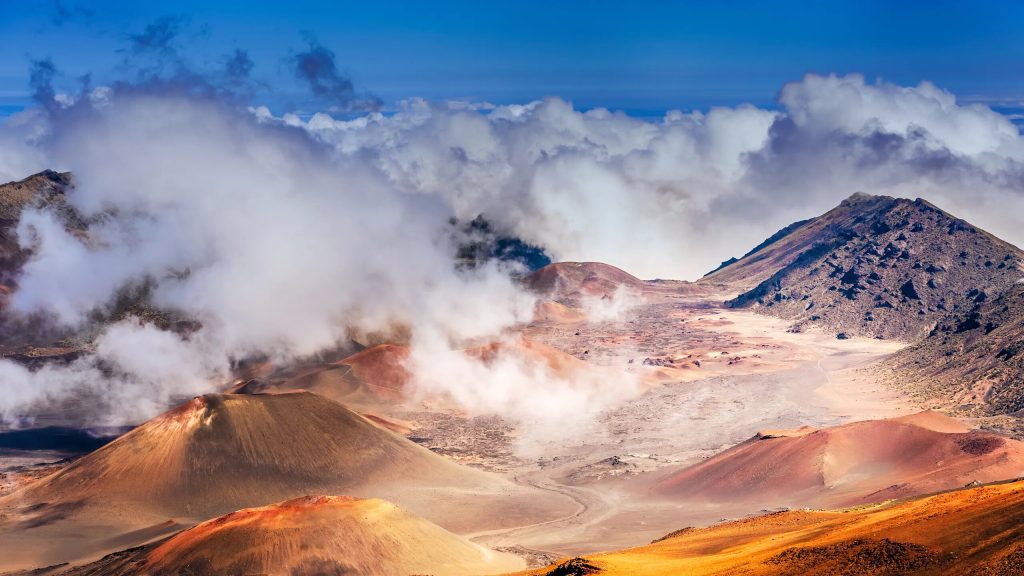
The Sliding Sands Trail (Keoneheʻeheʻe) descends from the summit visitor center down into the crater which is a 10-minute descent and leads to a completely different world of red and brown cinder desert.
Every minute you go down is twice the time coming back up at altitude, so plan accordingly.
TIP: Clouds frequently close the summit view. A clear summit is not guaranteed even with a reservation. Maui’s weather system can soak in the summit with zero visibility even on otherwise sunny days.
Check the National Park Service forecast for Haleakalā specifically, not just Kīhei. Some visitors drive 2.5 hours in the dark, stand in 35°F wind for 45 minutes, and see nothing but grey. It happens. If you’re flexible, check the NPS forecast the night before and reschedule if needed.
3. Haleakalā Summit — Daytime Hiking
Drive time from Kīhei: ~2–2.5 hours
Entry fee: $30/vehicle (no reservation required for daytime entry)
Best season: Year-round, though summer mornings tend to be clearest
Leave Kīhei by: 7:00–8:00 AM
The daytime alternative to sunrise gets less attention but has real advantages like no 3 a.m. alarm, no freezing in the dark, and no reservation required. And, the crater views in morning light, with shadows moving across the cinder and cloud wisps threading through the rim, can be just as striking as what you’d see at dawn.
The Summit District has over 30 miles of trails. The Sliding Sands Trail (Keoneheʻeheʻe) from the summit visitor center is the main descent into the crater. You can go as far as you want and turn around when you’ve had enough. The altitude is real (10,023 feet), so drink water and go slowly. The Halemauʻu Trail on the north rim provides a different perspective and connects to the crater floor for backpackers, but most day hikers stick to the upper sections.
The drive up is part of the experience. Haleakalā Highway is one of the fastest-climbing roads in the world by elevation gain, and you pass through multiple distinct ecosystems between the coast and the summit.
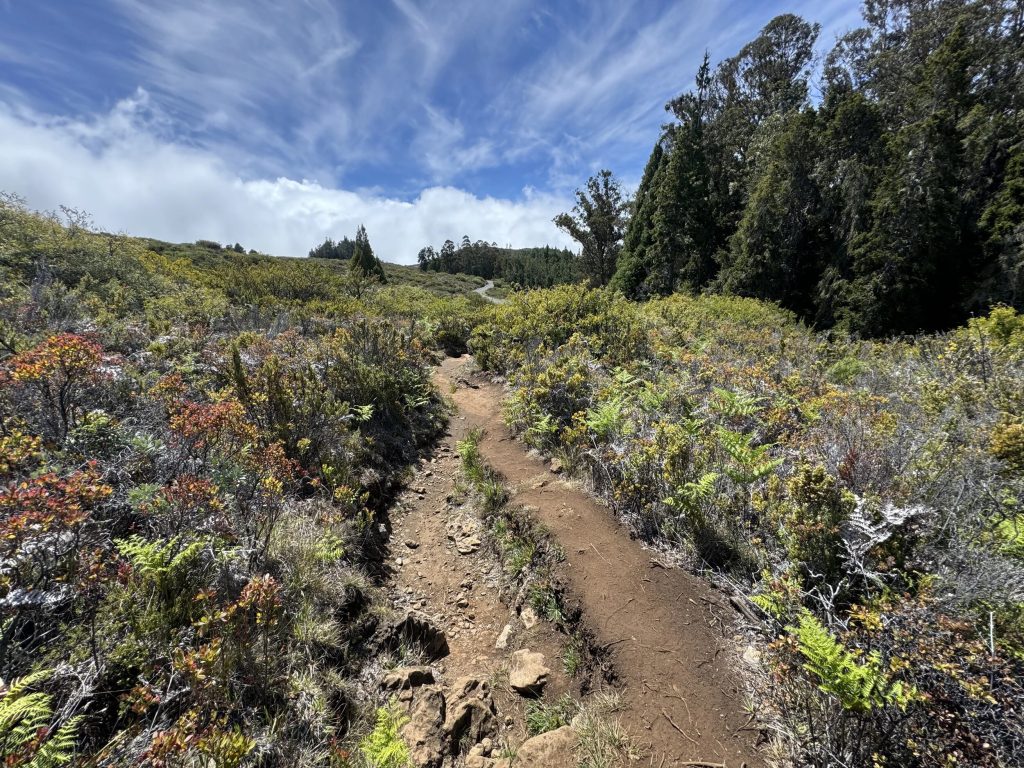
Stop at Hosmer Grove (around mile marker 10, just inside the park entrance) for a short loop trail through an unusual plantation forest of non-native conifers and native Hawaiian shrubs. It’s a five-minute detour that gives you a sense of how different the upcountry landscape is from South Maui.
Tip: On the drive back down, check your brakes at the pull-outs provided. The sustained downhill descent can overheat brake pads. This is a genuine issue and the National Park Service flags it explicitly. Use low gear, not constant braking.
4. Upcountry Maui — Makawao, Kula & the Farm Country
Drive time from Kīhei: ~35–45 minutes
Entry fee: Free
Best season: Year-round (cooler than the coast by 10–15°F)
Leave Kīhei by: 9:00 AM
Upcountry is Maui’s least resort-like region and arguably its most interesting for travelers who want to see where people actually live. The western slopes of Haleakalā between roughly 2,000 and 4,000 feet elevation run through cattle ranches, lavender farms, protea fields, and a series of small towns that feel nothing like Kīhei or Wailea. It’s a half-day trip easily combined with the bottom section of the Haleakalā drive.
Makawao is the center of Upcountry culture. It’s a former sugarcane plantation town with a cowboy (paniolo) heritage that shows up in the hitching posts still bolted outside storefronts and the annual Makawao Rodeo each July 4th weekend.
The main street has independent galleries, a bakery, and Komoda Store & Bakery (open Tuesday through Sunday, closes early and sells out of its cream puffs by mid-morning). Café Mambo recently went through a transformation under new ownership; it’s a good coffee and breakfast stop. Casanova is the town’s longtime bar and restaurant with lunch service and live music on weekends.
Kula sits higher on the mountain and specializes in produce that wouldn’t survive in the coastal heat. The Kula Botanical Garden (upper Kula Road, open daily 9 AM–4 PM, $20/person) has native Hawaiian plants and the best protea display on the island. Morihara Store in Kula town sells local produce. Marlow restaurant, also in Kula, has developed a genuine reputation for its food like its meatballs and an olive oil honey gelato that comes up repeatedly in serious food conversations.
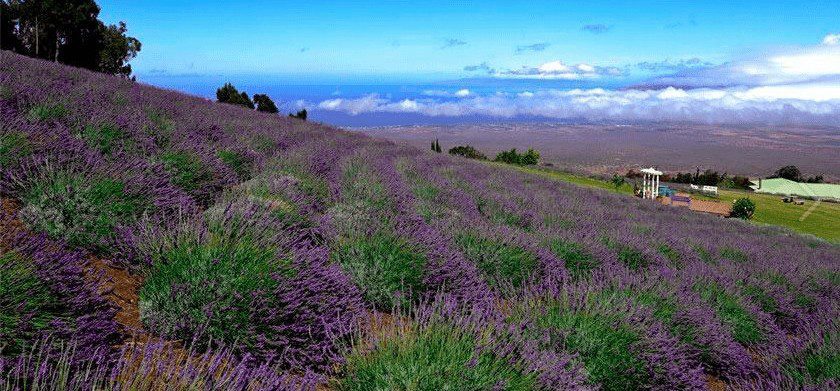
Ali’i Kula Lavender Farm (1100 Waipoli Road) sits at 4,000 feet with ocean views that stretch from the summit down to the water. The farm shop sells lavender products, and the walking trails through the blooms are peaceful and uncrowded even when the coast is busy.
TIP: Upcountry roads above Makawao get narrow and winding quickly. If you’re renting a small car and driving confidently, it’s fine. If anyone in your group gets carsick on winding roads, stick to lower Kula and Makawao and skip the upper farm loop.
5. West Maui & Lahaina
Drive time from Kīhei: ~45–60 minutes
Entry fee: Free
Best season: Year-round
Leave Kīhei by: 9:00 AM
Lahaina is in active recovery from the devastating August 2023 wildfires, and visitors should approach the town with that context. The historic Front Street district, once lined with restaurants, galleries and shops, is being rebuilt. Your visit directly supports local businesses and residents still rebuilding their lives. The rest of West Maui is fully open.
The drive to West Maui from Kīhei takes you north through Māʻalaea, then west along the Honopiʻilani Highway (Highway 30) past the cliffs and ocean views of the pali section, a genuinely scenic stretch of road with whale sightings in winter (December–April), visible from the road itself. McGregor Point, just past the Māʻalaea Harbor junction, is one of the most reliable shore-based whale watching spots on Maui during peak season. Pull over at the scenic lookout and scan the channels.
Kaʻanapali is the beach resort corridor just north of Lahaina. Ka’anapali Beach itself is wide, golden, and fronted by resort hotels with open-access beach paths. Black Rock (Puʻu Kekaʻa), at the north end of the beach, is one of the best snorkeling spots in West Maui and requires nothing more than a mask and fins from a beach equipment rental.
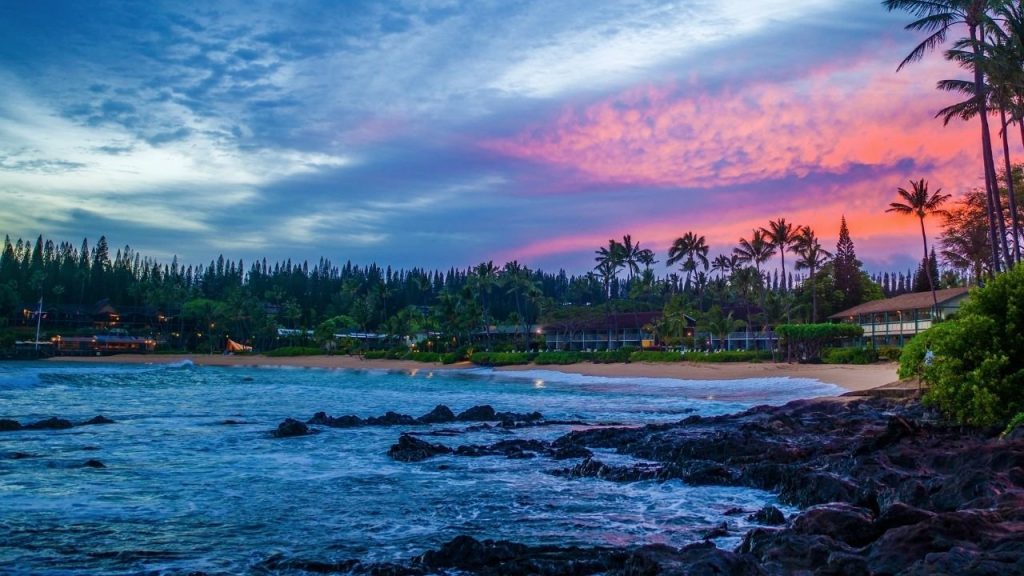
Napili Bay, a few miles further north, is a crescent-shaped bay with calm, clear water ideal for families and snorkeling because it’s smaller and less resort-heavy than Kaʻanapali.
For food in the area:
- Tikehau Lounge in Wailea is a rum-forward cocktail bar built by some of the most respected bartenders on the island. It sits next to the rebuilding Lahaina Brewing Company operation.
- The Pāʻia Fish Market in Pāʻia (on your way back through the north shore) does counter-service fish tacos at prices that make Lahaina oceanfront dining look absurd by comparison.
TIP: The drive from Kīhei to Lahaina along Highway 30 hits traffic through the Māʻalaea bottleneck most mornings, and worse on weekends. Leave before 9 a.m. or accept a slow crawl through the harbor area. Return traffic late afternoon can be equally sluggish.
6. Molokini Crater Snorkel Tour
Drive time from Kīhei: ~10 minutes to Māʻalaea Harbor
Entry fee: $80–$150/person depending on operator and boat type
Best season: May–September for calmest seas and best visibility; available year-round
Leave Kīhei by: 6:00–6:30 AM (most tours depart 7:00–7:30 AM)
Technically Molokini is not a land trip, but a half-submerged volcanic crater about 2.5 miles offshore from Kīhei, and it’s the best single snorkeling experience available from South Maui’s shores.
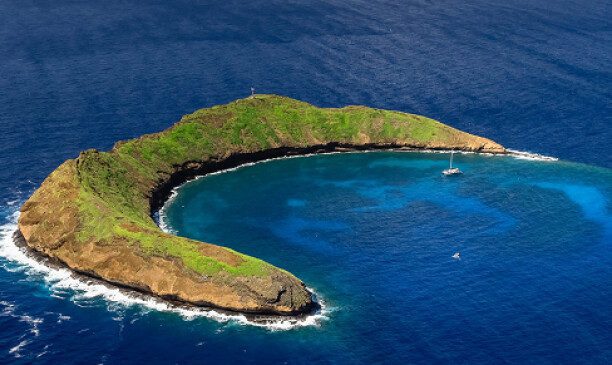
The crescent shape of the crater creates calm, protected water with visibility commonly reaching 100+ feet, and the reef supports more than 250 species of tropical fish. The back wall of the crater drops to 300 feet and is a popular dive site for more experienced underwater visitors.
Tours depart from Māʻalaea Harbor, about 10 minutes from central Kīhei. The most common format is a morning tour (4–5 hours) that stops at Molokini first, then swings to Turtle Town which is the reef system off the volcanic rocks between Kamaʻole Beach III and the Kīhei Boat Ramp where Hawaiian green sea turtles feed and rest.
Morning departures are significantly better than afternoon ones as the water is calmer and clearer, and the wind hasn’t built yet. By afternoon, trade wind chop can make the 2.5-mile crossing uncomfortable.
Redline Rafting operates small raft-style boats out of the Kīhei Boat Launch (not Māʻalaea), and their reviews consistently mention whale sightings in season and close-up encounters with turtles at Turtle Town. Pride of Maui runs a larger catamaran out of Māʻalaea with more stability which is better for those prone to seasickness. Both include snorkel equipment.
TIP: Molokini tours are weather- and swell-dependent. Tours can be canceled with little notice in winter when northwest swells build. Book early in your trip so you have flexibility to reschedule. Also, reef-safe sunscreen is required, not optional, for reef protection. Most operators will turn you away or provide substitutes if you arrive with standard sunscreen.
7. ʻĪao Valley State Monument
Drive time from Kīhei: ~40 minutes
Entry fee: $5/person; parking reservations required through gostatetparks.hawaii.gov
Best season: Year-round, though the valley receives heavy rainfall — mornings tend to be clearer
Leave Kīhei by: 9:00 AM; arrive as early as possible
ʻĪao Valley sits in the West Maui Mountains above Wailuku, at the head of a lush, steep-walled valley formed by erosion of the West Maui shield volcano. The centerpiece is the ʻĪao Needle, a 1,200-foot verdant volcanic plug rising dramatically from the valley floor. The park trails are short (the main viewing loop is under a mile), paved, and accessible.
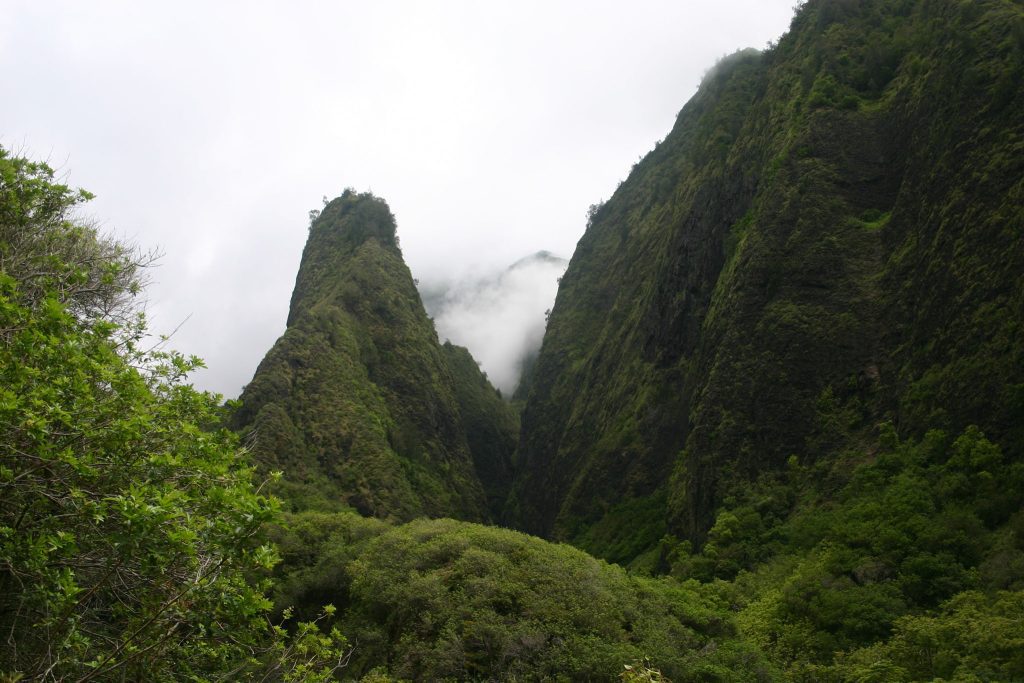
It is one of the most historically significant sites in Hawaiian history where the Battle of Kepaniwai was fought in 1790 when Kamehameha I used cannon fire to defeat the Maui warriors defending the valley, a turning point in the unification of the Hawaiian Islands.
The Kepaniwai Heritage Gardens just below the park entrance are free, open 24 hours, and feature cultural pavilions representing the different immigrant communities that shaped Maui including the Japanese, Chinese, Filipino, Portuguese, and Hawaiian. It’s an underrated stop, particularly for travelers interested in the cultural depth behind the beach scenery.
TIP: ʻĪao Valley gets rain. It sits at the convergence point for trade winds hitting the West Maui Mountains, which means even when Kīhei has full sun, the valley can be misting or actively raining. Mornings tend to be clearer than afternoons.
The state parks reservation system can be finicky, so book ahead at gostateparks.hawaii.gov and bring your confirmation.
8. La Pérouse Bay & Ahihi-Kīnaʻu Natural Area Reserve
Drive time from Kīhei: ~20 minutes
Entry fee: Free
Best season: Year-round; morning is best before wind builds
Leave Kīhei by: 8:00 AM
This is the closest day trip on the list and one of the most overlooked. La Pérouse Bay sits at the end of the road in South Maui, past Wailea, past Mākena State Park (Big Beach), and through the black lava fields of Maui’s most recent volcanic flow (around 1790, the same era as the ʻĪao battle).
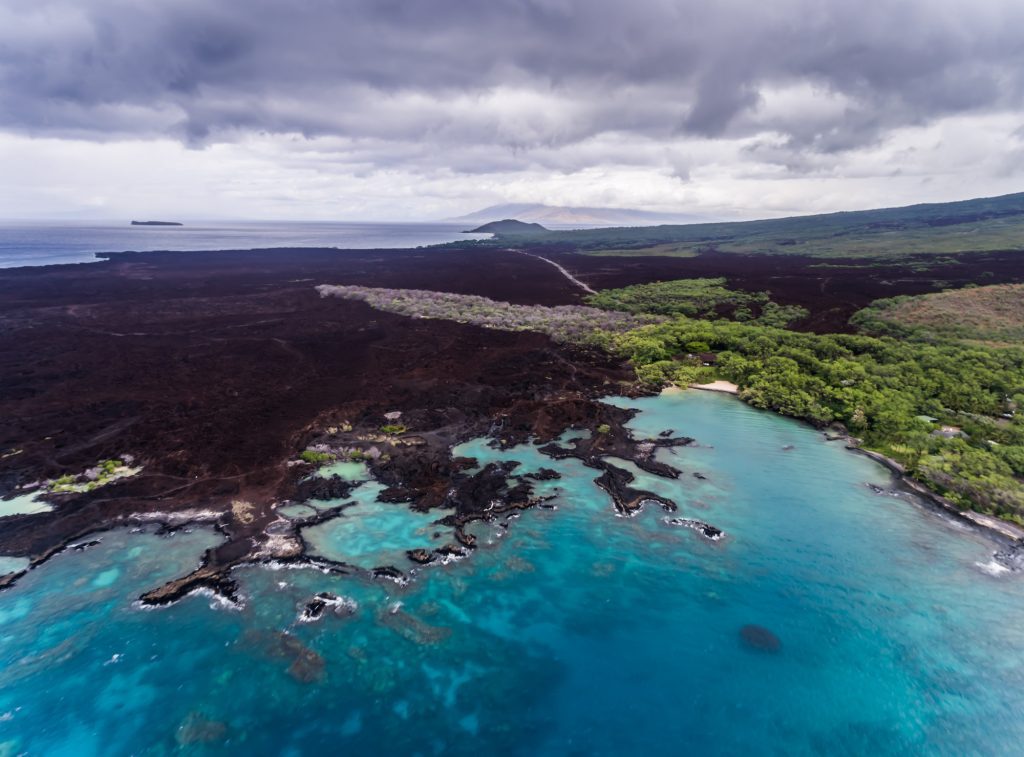
The landscape here shifts from golden beach to stark, rust-black lava so abruptly that it feels like a different island. The bay is named after French explorer Jean-François de Galaup, comte de La Pérouse, who became the first European to land on Maui here in 1786.
The Ahihi-Kīnaʻu Natural Area Reserve covers the lava fields between Wailea and La Pérouse. Parts of the reserve restrict entry to protect fragile reef ecosystems, so check current access rules at dlnr.hawaii.gov before you go, as the rules have changed periodically. Where snorkeling is permitted, the protected coves offer sea turtle sightings and clear water that rivals Molokini in calm conditions.
The Kings Highway (Hoapili Trail), a lava coastal path built in the 19th century and partially following an ancient Hawaiian route, traces the shoreline south from La Pérouse Bay. It’s hot, exposed and rough on footwear, so bring reef shoes or trail runners, not flip flops. The hike out to the black lava shoreline takes about 45 minutes each way. Bring more water than you think you need. There is no shade.
This is a good morning half-day trip. Combine it with a lunch at Kīhei’s food truck scene at South Maui Gardens (multiple trucks with rotating menus including Thai, acai bowls, and local plates, open from 8 a.m.) before an afternoon at Kamaʻole Beach III.
TIP: The lava fields reflect intense heat. La Pérouse in midday July is genuinely brutal. Go early, bring water, and plan to be back by noon.
Practical Tips for Day Tripping from Kīhei
- Car rental: Book your rental car before you book your flights. Maui has had chronic car rental shortages during peak season. Compact cars are fine for most of these trips and you do not need a 4WD for anything on this list (avoid the back road return from Hana regardless of vehicle).
- Gas: Fill up in Kīhei or Kahului before any long trip. Gas at Hāna and at higher elevations runs significantly above standard Maui prices.
- Packing: Layers for Haleakalā (genuinely cold at the summit year-round), reef-safe sunscreen for Molokini and all snorkeling, trail shoes for lava hikes, cash for roadside fruit stands on the Road to Hana (many don’t take cards).
- Timing: Avoid doing the Road to Hana and Haleakalā Sunrise on consecutive days if your trip is a week or less. Both require pre-dawn starts and full-day energy expenditure. Build in beach recovery days between them.
Reservations that require advance planning:
- Haleakalā Sunrise: Recreation.gov, opens exactly 60 days ahead, sells out fast
- ʻĪao Valley: gostateparks.hawaii.gov, parking reservations required
- Waiʻānapanapa State Park (black sand beach on the Road to Hana): reservations required at dlnr.hawaii.gov
- Hanauma Bay (Oahu, if you’re island-hopping): timed-entry reservations open online
Frequently Asked Questions
How long is the drive from Kīhei to Haleakalā?
From central Kīhei, allow 2 to 2.5 hours to the Haleakalā summit. Google Maps typically underestimates this and often shows 1 hour 15 minutes, but the road becomes slow and winding above the park entrance, and for predawn driving the pace is naturally slower.
If you’re going for sunrise, leave Kīhei by 2:30–3:00 a.m. A daytime departure of 7:00–8:00 a.m. still gets you there before afternoon cloud buildup.
How long is the drive from Kīhei to the Road to Hana?
The traditional Road to Hana starts at Pāʻia town, about 1.5 hours from central Kīhei via Kahului. To reach Hāna town itself is roughly another 2 hours of driving along the highway, assuming minimal stops.
The Pīpīwai Trail and Kīpahulu District are another 30–45 minutes past Hāna. For a full Kīhei-to-Kīpahulu-and-back day, budget 10–12 hours and leave by 6:00–6:30 a.m. at the latest.
Do I need a reservation for the Road to Hana?
The Hāna Highway itself is a public road and requires no reservation. However, Waiʻānapanapa State Park (black sand beach) requires advance parking reservations through dlnr.hawaii.gov, and the Kīpahulu District of Haleakalā National Park (Pīpīwai Trail, Pools of ʻOheʻo) requires a $30 vehicle entry fee. Keep the receipt, as it’s valid for 3 days and also covers the Summit District.
What is the best snorkeling day trip from Kīhei?
Molokini Crater is the standout. It’s a partially submerged volcanic crater about 2.5 miles offshore with visibility commonly exceeding 100 feet and over 250 species of tropical fish. Tours depart from Māʻalaea Harbor (10 minutes from Kīhei) or the Kīhei Boat Launch.
Morning tours offer calmer conditions. Prices range from $80–$150 per person depending on the operator and boat type. May through September has the calmest seas and clearest visibility; tours operate year-round but are occasionally canceled in winter due to swell.
Can I drive the back road from Hana to Kīhei?
Most rental car agreements explicitly prohibit the back road (Pi’ilani Highway / Highway 31) past Kaupō, which has a roughly 5-mile unpaved section with no guardrails above cliff drops and no cell service. If you get stuck or damage your car on that stretch, towing costs and rental car damage fees come out of your pocket.
The standard advice is to return the same way you came. It is not as scenic in the return direction, but it is reliable and permitted.
Is Molokini worth it, or can I just snorkel from Kīhei beaches?
Both have merit, but Molokini offers a different experience. The reef inside the crater is more intact, the visibility is typically better, and the fish density is higher than what you’ll find at Kamaʻole Beach or most South Maui shore entry points.
Turtle Town, accessible from Kamaʻole Beach III without a boat, provides reliable green sea turtle sightings close to shore. If your budget is tight, snorkeling Turtle Town from the beach costs nothing beyond gear rental. If you want the best reef Maui has to offer, book the Molokini boat trip.
What’s the closest easy day trip from Kīhei?
La Pérouse Bay and the Ahihi-Kīnaʻu Natural Area Reserve, about 20 minutes south down the coast. The lava fields and protected snorkeling coves are accessible with no entry fee, and the Hoapili Trail (Kings Highway) along the lava shoreline gives you a genuinely wild-feeling hike within half an hour of Kīhei.
Go early because by 10 a.m., the lava is radiating heat and the parking area at the end of Mākena-Alanui Road fills up on weekends.
Stay close to all of Kihei’s best day trip locations.
Browse vacation rentals in Hawaii, all within easy reach of the area’s best spots.