
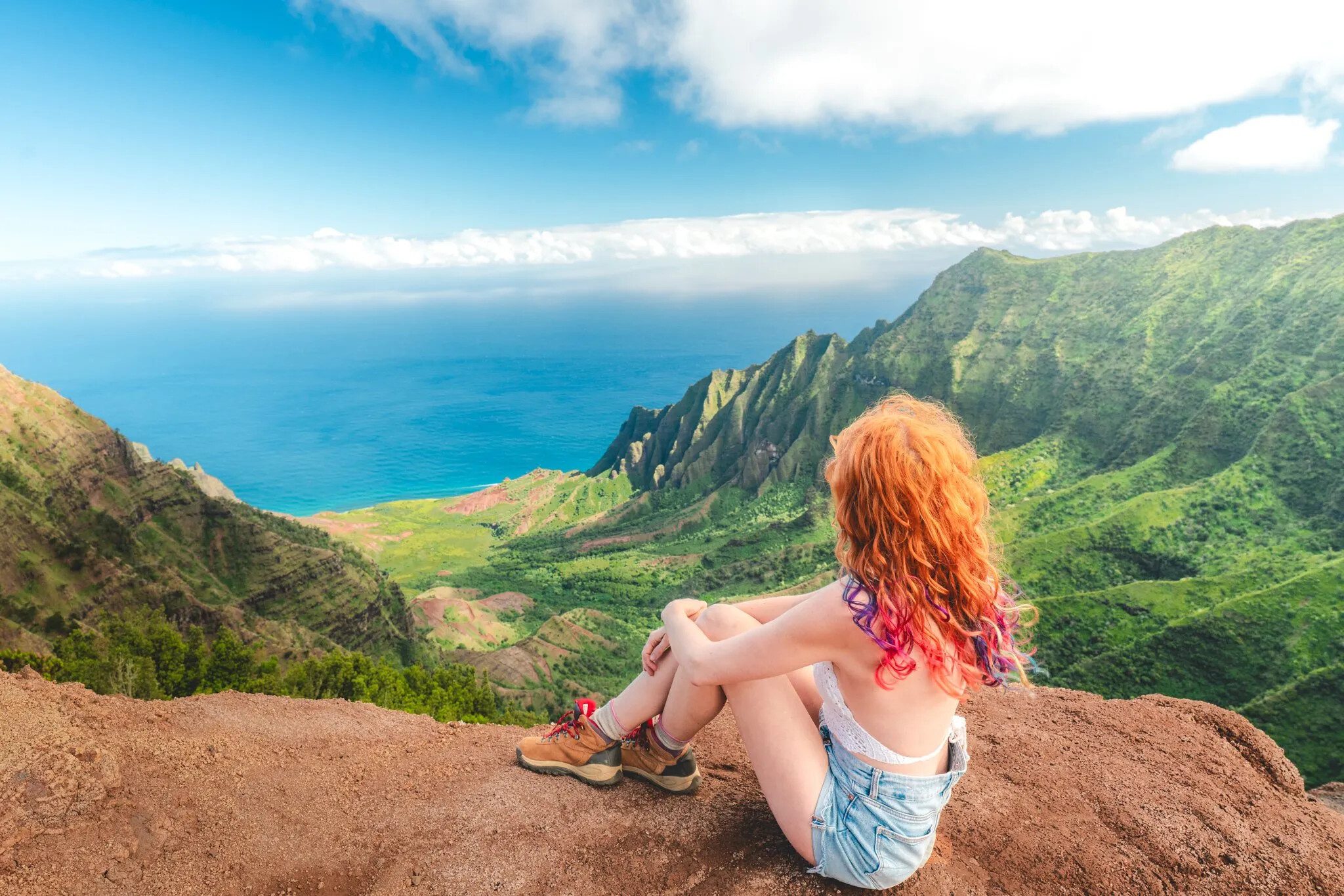
There is no single best time to visit Hawaii, but there are windows that are clearly better depending on what you’re after.
- If your goal is empty beaches and lower vacation rental rates, you’re looking at a different calendar than someone chasing humpback whales or big-wave surfing at Pipeline.
- If you have school-age kids, your options narrow whether you like it or not. Hawaii rewards travelers who plan around their priorities rather than a generic weather chart.
Here’s a month-by-month breakdown covering weather patterns, crowd levels, rental pricing trends, and major events across all four main islands: Oahu, Maui, the Big Island (Hawaiʻi Island), and Kauai. The goal is to help you match your dates to your trip, not the other way around.
One thing to know upfront is that Hawaii’s weather is not uniform.
Each island has a windward (northeast) side that catches trade winds and collects more rainfall, and a leeward (southwest) side that stays drier year-round. This distinction matters more than the season. Kona on the Big Island averages around 15 inches of rain annually. Hilo, just two hours away on the windward side, can see well over 100. In December, the South Shore of Kauai (Poipū) often has sunny afternoons while the North Shore (Hanalei) is getting drenched. Choose your accommodation based on microclimate, not just month.
At-a-Glance: Best Time to Visit Hawaii by Priority
| Travel Priority | Best Months | Worst Months |
| Lowest rental prices | September, early October, early December | Late December, July–August |
| Fewest crowds | September, October, early May | July–August, Christmas week |
| Best overall weather | April–May, September–October | November–March (windward coasts) |
| Whale watching | January–March (peak: February) | May–November |
| Big-wave surf viewing | November–February (North Shore) | May–September |
| Water clarity / snorkeling | May–September | November–March |
| Cultural events | April (Merrie Monarch), September (Aloha Festivals) | Varies |
| Families with kids | June–August, spring break | — |
| Couples / honeymoons | April–May, September–October | Peak holidays (expensive) |
Month-by-Month Breakdown
January
- Avg high: 80°F
- Rainfall: Moderate (higher on windward coasts)
- Rental pricing tier: High
- Best for: Whale watching, surfing competitions, cultural events
January is peak season in every practical sense. Holiday travelers are still working through the first week, Martin Luther King Jr. Day weekend creates another demand spike, and the islands are full of visitors who booked six or more months ago.
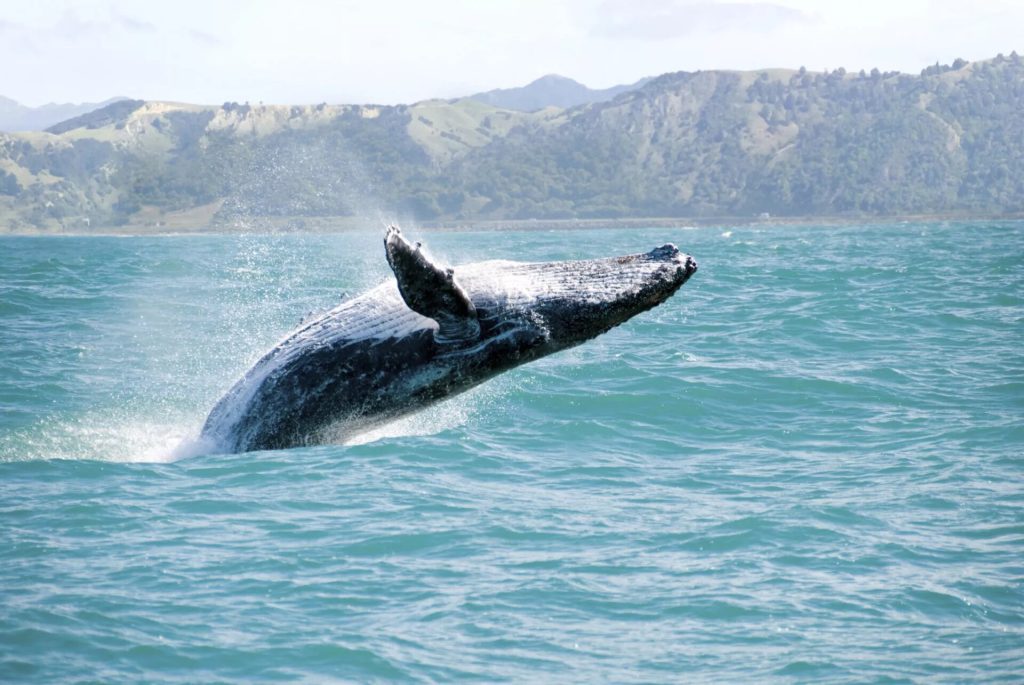
Whale season is just getting started, with humpbacks migrating to Hawaiian waters between December and April, January sightings are reliable and February is the absolute peak.
On Oahu, the Sony Open at Waialae Country Club draws PGA Tour players each January, and Honolulu’s Chinatown celebrates Chinese New Year with lion dances and street festivals (exact dates vary by lunar calendar, typically falling between late January and early February). North Shore surf is at its most powerful as Pipeline and Sunset Beach are not swimming beaches in January.
Tip: North Shore accommodations on Oahu and Kauai’s North Shore fill up fast, and winter swell can cancel snorkeling and boat tours with little notice. If calm water is your priority, book a leeward-side rental in West Maui, South Kauai (Poipū), or Kona on the Big Island.
February
- Avg high: 79°F
- Rainfall: Moderate
- Rental pricing tier: High
- Best for: Whale watching (peak), winter escape from cold climates
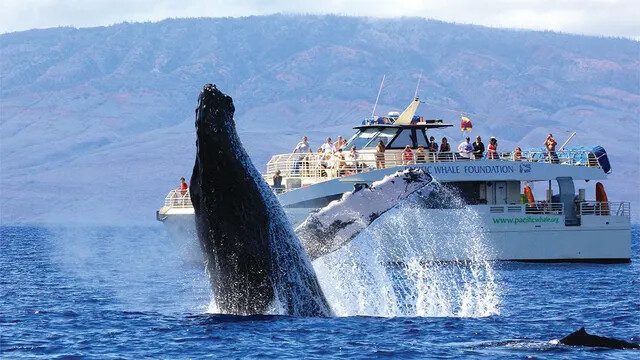
February is the single best month to see humpback whales. The channels between Maui, Lānaʻi, and Molokaʻi concentrate the whales with boat tours out of Māʻalaea Harbor or Lahaina (where access has continued to recover following the August 2023 wildfires) give you the best close-up encounters, but shore viewing from spots like McGregor Point on Maui works, too. Official whale counts happen during this period.
Presidents’ Day weekend (third Monday of February) brings a notable price spike across all islands. Avoid that particular three-day stretch if budget is a concern as rental rates and flight prices both jump. Outside of the holiday, early and mid-February can actually be a slightly quieter period than January, though “quieter” is relative during peak season.
March
- Avg high: 80°F
- Rainfall: Decreasing through the month
- Rental pricing tier: High (spring break weeks)
- Best for: Whale watching (still reliable), start of dry season on leeward coasts
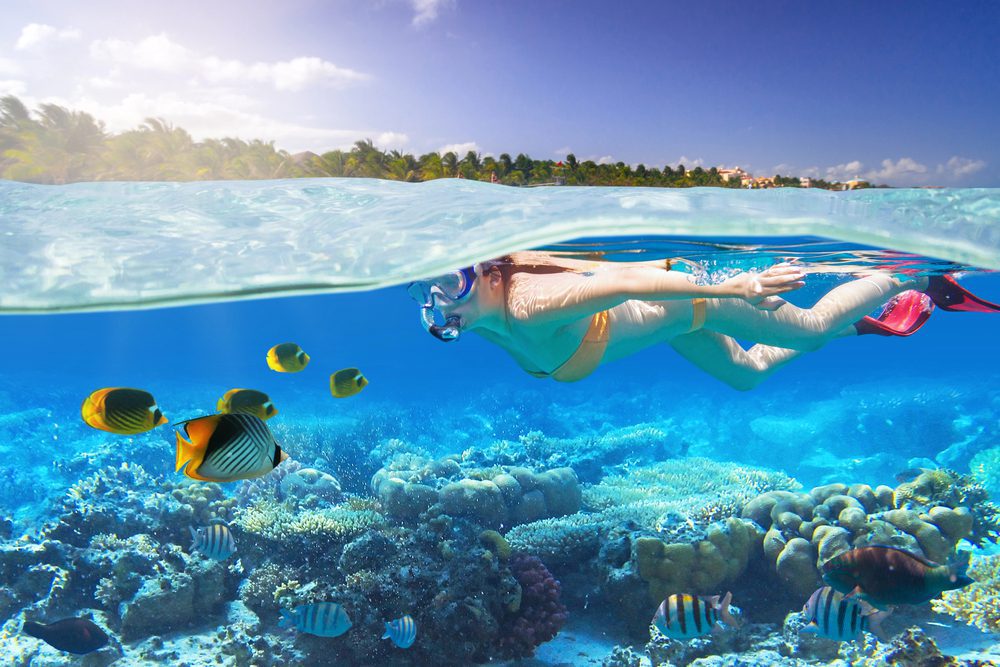
March is complicated. The first half can feel like February because it’s still solid whale season, the weather is decent, and there are manageable crowds. Then spring break arrives. Depending on the year, spring break falls across late March through mid-April, and it brings families and large groups in numbers that rival July. Oahu in particular gets compressed as rental cars are in short supply, Hanauma Bay reservations for its timed-entry snorkeling system disappear early, and popular spots like the Road to Hana on Maui get backed up by mid-morning.
A vacation rental with a private space and a pool, lanai, and full kitchen becomes genuinely useful during these weeks. You can cook in rather than compete for restaurant reservations, and you have somewhere to decompress when the beaches feel like parking lots.
The Honolulu Festival in late March celebrates cultural connections between Hawaii and the Pacific Rim with performances, exhibitions, and a grand parade through Waikīkī.
Find Your Stay in Hawaii
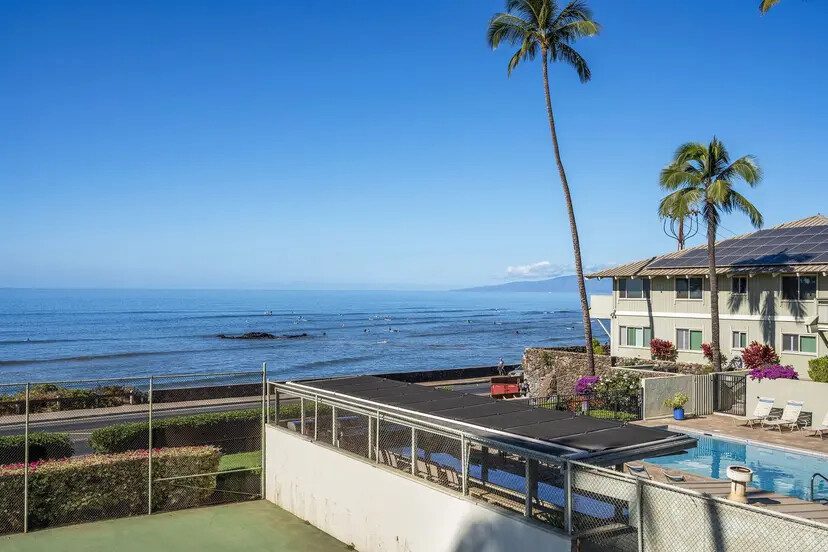
- Sleeps 4
- 1-bedroom, 1-bathroom condo
- sweeping ocean views from its private lanai
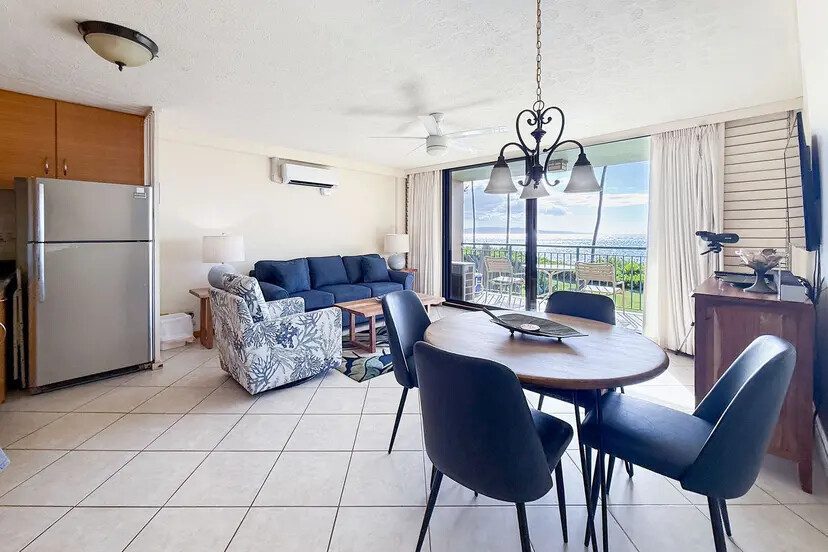
- Sleeps 4
- 1-bedroom, 1-bathroom condo
- kitchen features elegant custom bamboo cabinetry, granite surfaces, and full sized stainless appliances
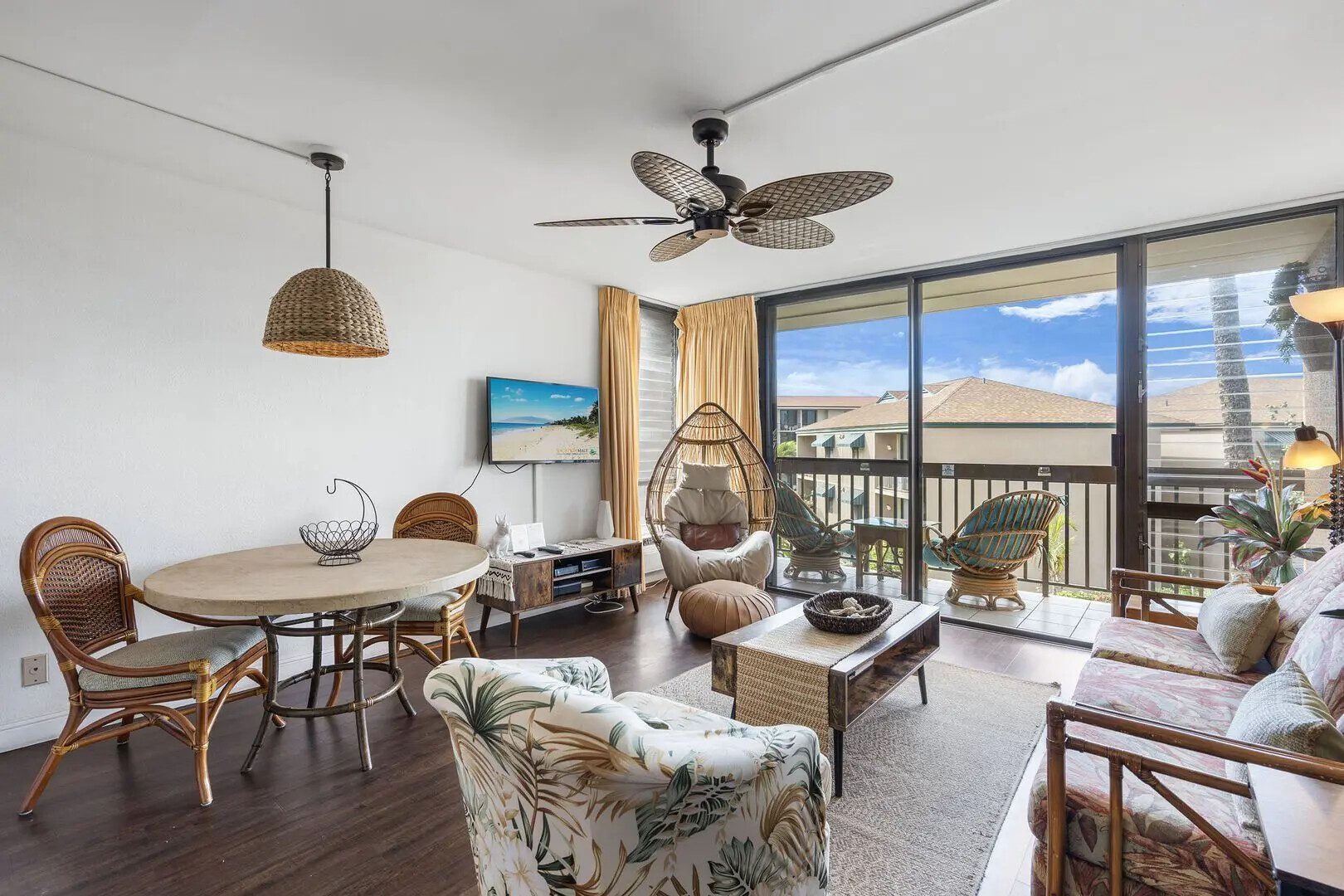
- Sleeps 4
- 1-bedroom, 1-bathroom condo
- has a fully equipped kitchen, high speed Wi-Fi, and premium cable
April
- Avg high: 82°F
- Rainfall: Low (leeward)
- Rental pricing tier: Shoulder (dropping after Easter)
- Best for: Shoulder season value, Merrie Monarch Festival, warm but not peak-summer prices
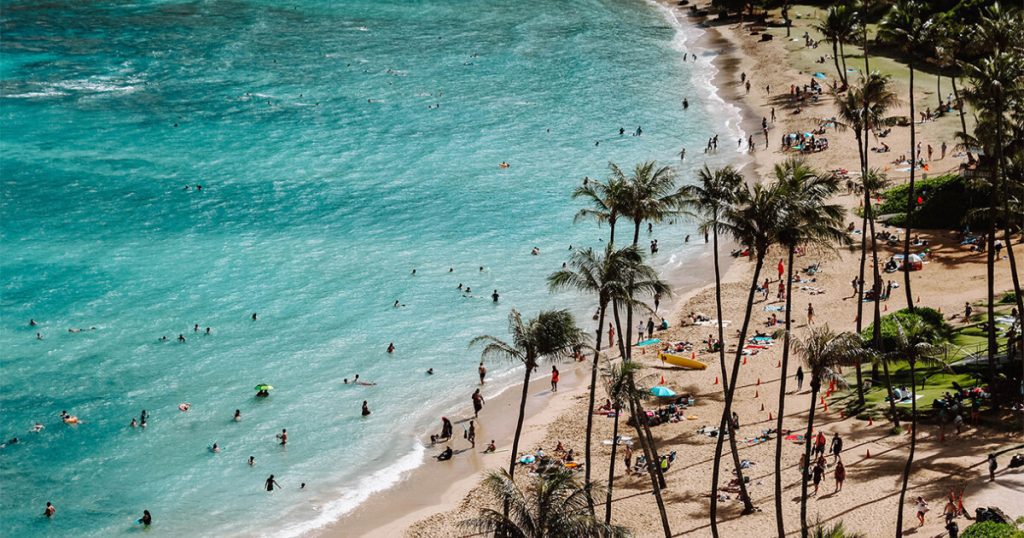
April is the start of the first sweet spot. After Easter weekend, crowds thin noticeably as families have returned to school and the next major demand wave is still two months away. Trade winds stabilize, rainfall drops across leeward coasts, and ocean conditions improve for snorkeling and water activities.
The cultural event not to miss in April is the Merrie Monarch Festival, held in Hilo on the Big Island the week after Easter. This is the most important hula competition in the world, drawing hālau (hula schools) from across the islands and diaspora to compete at Edith Kanakaʻole Multipurpose Stadium.
If you don’t have competition tickets (they sell out months ahead via mail-in request), the weekday Hawaiian Arts Fair is free and open to the public. The Wednesday evening hoʻolauleʻa (exhibition night of hula and Pacific Island folk dance) requires no ticket. Note that Hilo hotels fill completely during Merrie Monarch week—Volcano Village, 30 minutes south, and the Kona side are your backup options for accommodation.
Tip: Japan’s Golden Week (late April through early May) brings a significant influx of visitors from Japan, particularly to Oahu. It’s worth knowing if you’re planning Waikīkī during that window.
Also in April: The Waikīkī SPAM JAM, a uniquely Hawaii event celebrating what the islands have done with canned meat for generations, typically falls in late April on Kalākaua Avenue. It’s free and fun.
May
- Avg high: 84°F
- Rainfall: Low
- Rental pricing tier: Shoulder
- Best for: Best overall month for Maui, excellent conditions statewide, Lei Day
May is widely considered Maui’s best month. The dry season is firmly established, whale season is winding down, summer crowds haven’t arrived, and the Road to Hana is genuinely manageable before the summer rush hits. On Oahu, Hanauma Bay reservations open up more easily. On the Big Island, Kona’s leeward coast is dry and warm. Kauai’s South Shore is excellent.
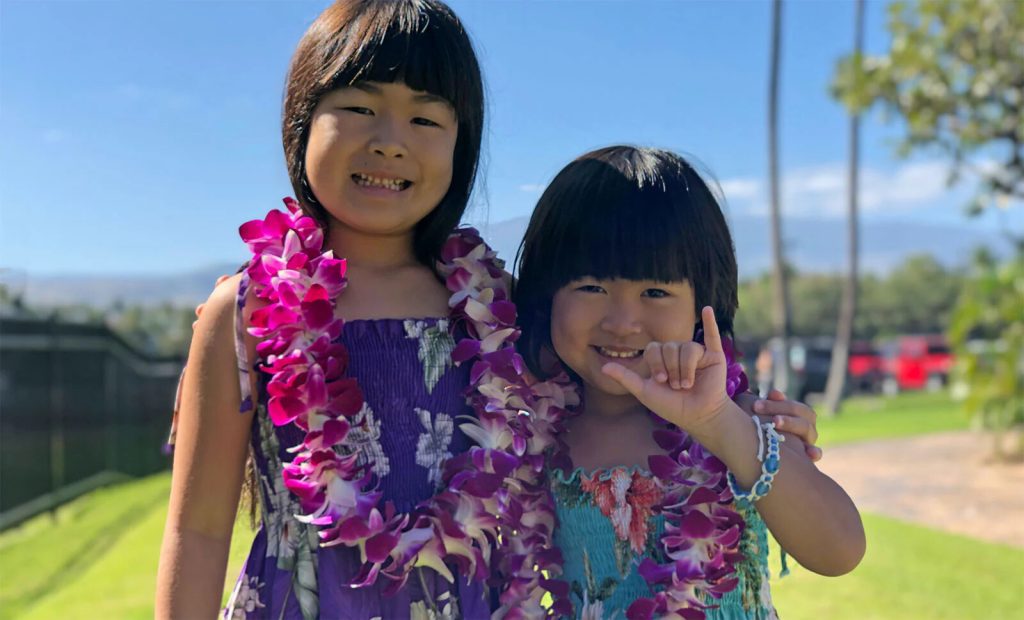
Lei Day on May 1st is celebrated statewide with lei-making, hula, and cultural programs at local parks. It’s a Hawaii tradition that’s low-key, local, and worth wandering into if you’re on the island.
May is also when mango season begins, running through October. Farmers markets across the islands fill with them. Keep in mind that Golden Week from Japan can push into early May, so it’s worth checking exact dates if Oahu is your destination.
June
- Avg high: 87°F
- Rainfall: Low
- Rental pricing tier: High (rising through month)
- Best for: Families with school-age kids, warm water conditions
June marks the start of summer. Schools in most mainland states let out in mid-June, and visitor numbers climb sharply. By mid-to-late June, all four islands are running at high capacity and prices reflect it, so you’ll want reservations for nearly everything including restaurants, popular hikes, and snorkel tours.
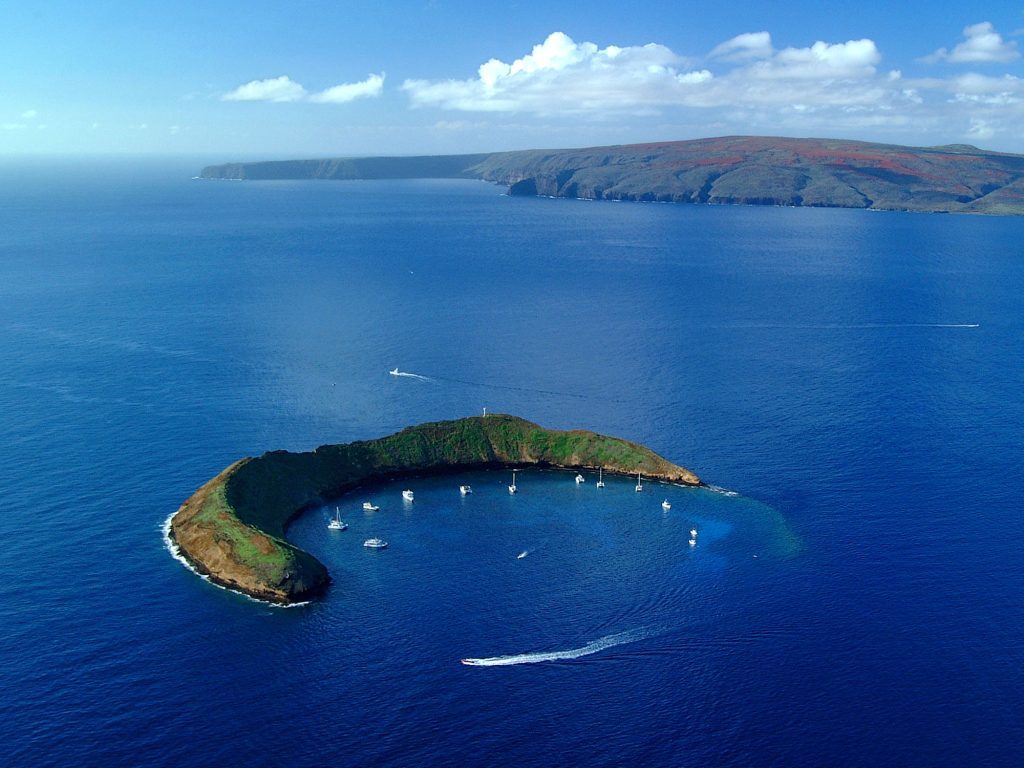
That said, June has real advantages. Ocean conditions are some of the calmest of the year and North Shore beaches that closed to swimmers in winter have reopened. Water visibility is excellent for snorkeling at spots like Molokini Crater off Maui or the Two-Step entry point at Hōnaunau on the Big Island. If you’re traveling as a family and June is your window, book your vacation rental at least four to five months in advance.
July
- Avg high: 89°F
- Rainfall: Low
- Rental pricing tier: Peak
- Best for: Beach days, families, and water activities if cost is not a concern
July is the peak season at its most intense. Hawaii hit one million monthly visitors in a single July before the pandemic. Crowds concentrate everywhere including Waikīkī, the Road to Hana, and Hanalei Bay. Rental car inventory also tightens, and popular vacation rentals in beachfront locations have often been reserved since January or February.
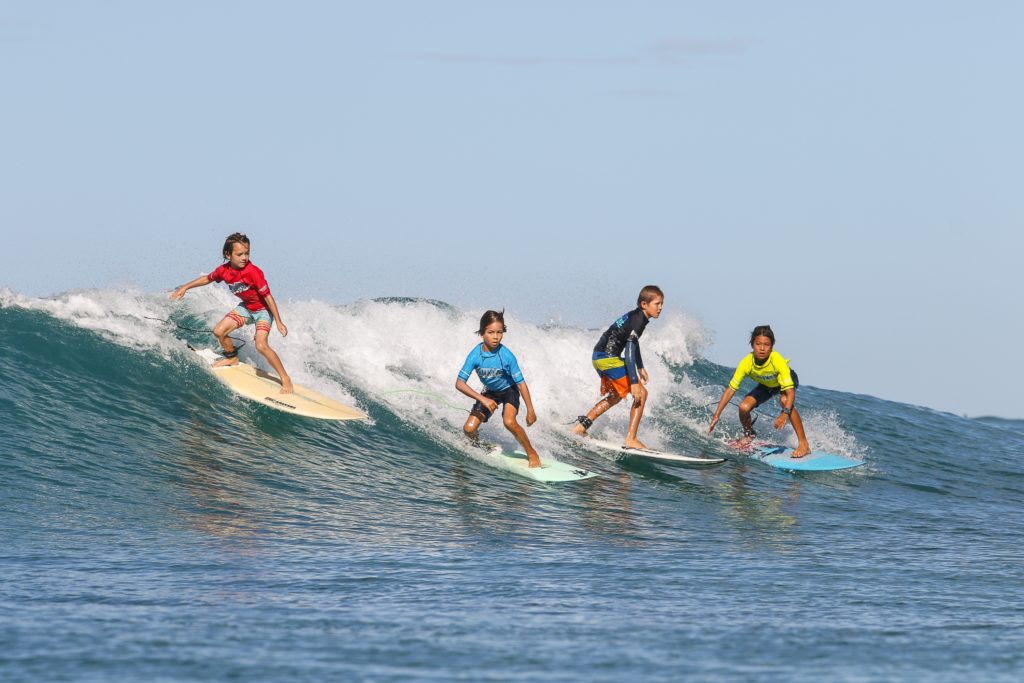
The honest trade-off is that the weather is consistently good, the ocean is warm and calm on southern and western shores, and the islands are genuinely enjoyable if you plan carefully. The Duke’s OceanFest in Waikīkī (typically August, sometimes late July) celebrates surfing legend Duke Kahanamoku with surf competitions, canoe races, and open-water swimming. It’s definitely worth building a day around if you’re on Oahu.
If July is your only option, a vacation rental gives you a meaningful advantage over hotels because you can cook at home rather than compete for breakfast tables. And, you have outdoor space for your group and you’re not paying resort fees on top of already high nightly rates.
August
- Avg high: 89°F
- Rainfall: Low
- Rental pricing tier: Peak (slightly easing by end of month)
- Best for: Last of summer family travel, great water conditions
August feels similar to July in the first half. As the month closes, mainland schools start back up and you can feel the pace shift— it’s subtle but real by the last week of August. If you have some flexibility, the last week of August threads the needle between summer conditions and declining crowds.
Hurricane season runs June through November in Hawaii. Direct hits are historically rare, but August and September carry the highest statistical risk. This isn’t a reason to avoid the islands, but it’s just worth having travel insurance and keeping an eye on NOAA updates during those months.
September
- Avg high: 88°F
- Rainfall: Low
- Rental pricing tier: Shoulder (lowest of the year)
- Best for: Best overall value month, Aloha Festivals, ideal conditions
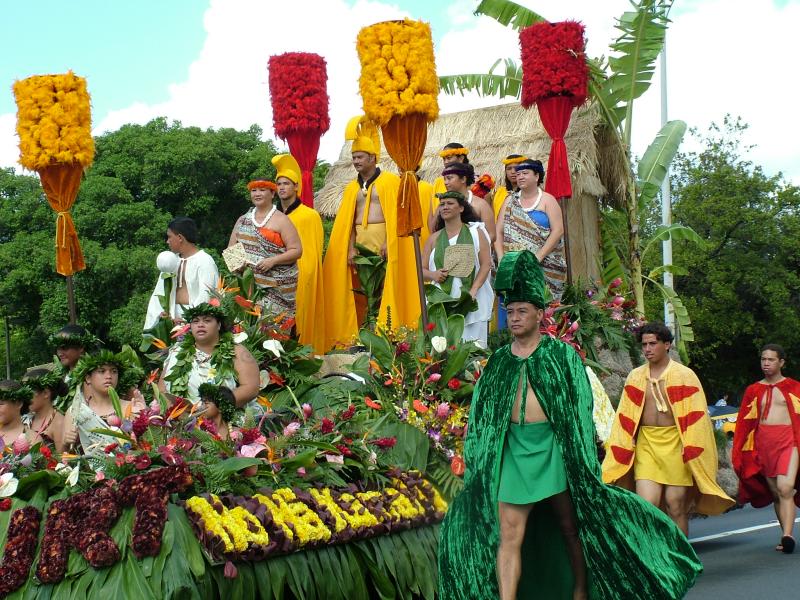
September is the single best overall month to visit Hawaii if you’re optimizing across multiple factors. Summer vacation is over, kids are back in school, and the islands genuinely quiet down.
Overall, crowd levels drop dramatically. Mid-range vacation rentals that ran $200 to $300 a night in July often drop to the $140 to $200 range, and flights fall back to shoulder-season pricing. However, the weather is still in full summer swing with warm, dry, beautiful days and calm ocean conditions perfect for water activities.
The Aloha Festivals in September are the cultural anchor of the month. In 2026, the festival hits its 80th anniversary under the theme “80 Years of Aloha: Our Culture, Our Stories, Celebrating Our Island Home.” On Oahu, the Royal Court investiture at Helumoa Gardens at The Royal Hawaiian Hotel kicks off September 5, followed by the Waikīkī Hoʻolauleʻa, a massive free block party with Hawaiian music, hula, and food, on September 19.
These events are free and genuinely local, not a resort production. On Maui, Wailuku town’s monthly First Friday street party expands with Hawaiian programming on September 4, and the Richard Hoʻopiʻi Leo Kiʻekiʻe Falsetto Contest on September 19 honors a uniquely Hawaiian musical tradition. The Neighbor-Island component of Aloha Festivals extends into October across Maui, Molokaʻi, and Lānaʻi.
The Queen Liliʻuokalani Canoe Race on the Big Island is also in September, and it’s one of the longest outrigger canoe races in the world. The Kauaʻi Mokihana Festival, which celebrates Kauaʻi’s music, hula, and culture is in September as well.
Tip: September falls within hurricane season. The risk remains low historically, but it’s worth acknowledging.
October
- Avg high: 86°F
- Rainfall: Low to moderate
- Rental pricing tier: Shoulder
- Best for: Value, fewer crowds, IRONMAN World Championship (Big Island)
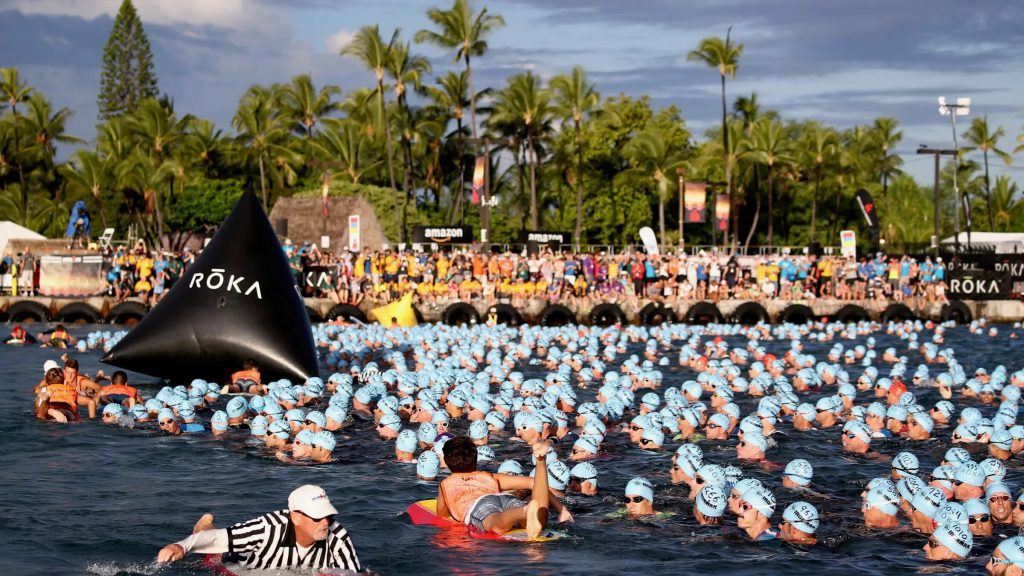
October continues the shoulder season on most islands, but comes with one major asterisk for the Big Island: the IRONMAN World Championship returns to Kailua-Kona on October 10, 2026, reuniting men and women on the same course for the first time since 2019. Nearly 3,000 athletes, plus support crews and spectators, descend on what is normally a small coastal town. Hotels and vacation rentals within reach of the finish line on Aliʻi Drive book out six to eight months in advance.
If you’re planning a Big Island trip in early to mid-October and IRONMAN is not your goal, either book very far in advance or build your itinerary around the Hilo and Volcano Village side of the island instead.
Away from race week, October is genuinely pleasant across all islands. The Kauaʻi Chocolate and Coffee Festival typically lands in October, and the Honolulu Pride Parade and Festival usually falls mid-month on Oahu. The Maui Steel Guitar Festival celebrates a distinctly Hawaiian musical tradition, and the Hawaiʻi Food and Wine Festival runs events on Maui (October 23–25) and the Big Island (October 16–17) featuring local chefs and producers.
November
- Avg high: 82°F
- Rainfall: Increasing
- Rental pricing tier: Low (then spikes at Thanksgiving)
- Best for: Early November deals, North Shore surf season, avoiding holiday premiums
November is kind of like two months in one. Early November, before the week of Thanksgiving, is legitimately one of the quietest and cheapest periods of the year in Hawaii. If you can arrive by November 10 and leave before November 22, you’re looking at solid weather, manageable crowds, and some of the lowest rental prices on the calendar.
Then Thanksgiving arrives. The jump in prices between November 20 and November 26 can be striking as some properties come close to doubling their rate for the holiday window. Book either well before Thanksgiving arrives or plan to arrive after the holiday rush clears.
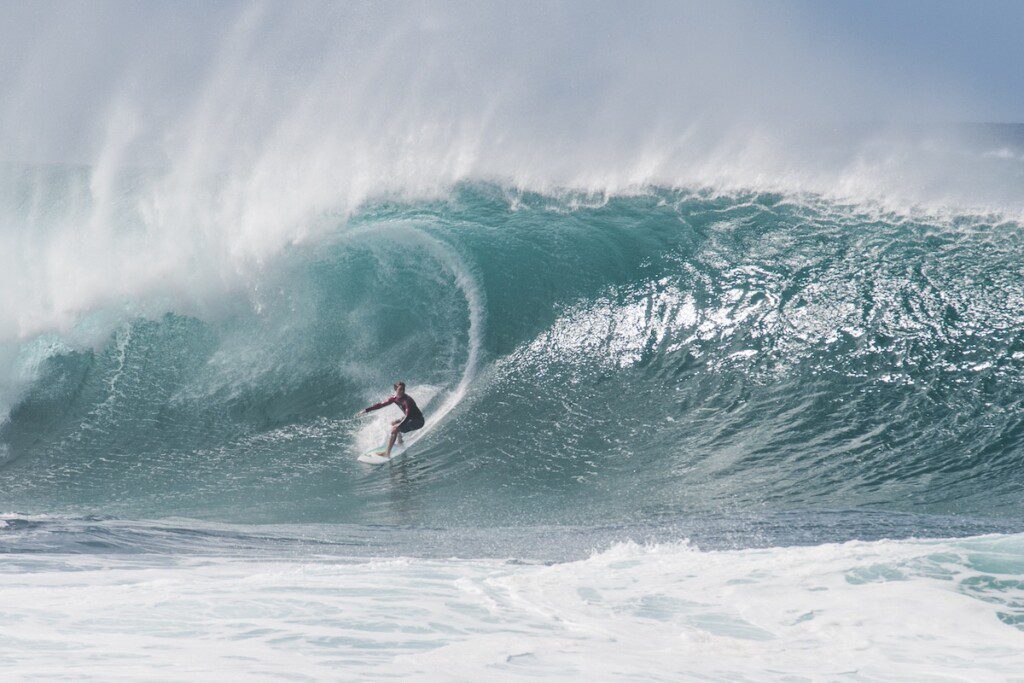
North Shore surf season on Oahu begins in November. The Vans Triple Crown of Surfing typically opens this month, with competitions held across Haleʻiwa, Sunset Beach, and Pipeline (Banzai Pipeline, off Ehukai Beach Park). This is one of the most thrilling spectator experiences in Hawaii—the surf is not swimmable, but watching 40-foot faces from the beach is something else entirely.
In November, you can also attend the Kona Coffee Cultural Festival, which celebrates the Big Island’s famous single-origin crop with farm tours, cupping competitions, and tastings. The Hawaiʻi Food and Wine Festival also closes out its run with Oahu events in early November.
December
- Avg high: 80°F
- Rainfall: Moderate to high (windward coasts)
- Rental pricing tier: High (peak in final two weeks)
- Best for: Holiday atmosphere, whale season starting, early December deals
Early December, before roughly the 15th, is one of the better-kept-secret windows in Hawaii. Rental prices haven’t spiked yet, crowds are manageable, and the islands have a genuine end-of-year calm before the holiday storm. September may have the best overall value, but early December runs a close second.
After December 15, everything changes. The last two weeks of December through New Year’s Day are the most expensive period of the year, with some properties at rates that make July look modest. The Waikīkī Holiday Parade (the day after Thanksgiving, on the Friday) kicks off the holiday season on Oahu, and the islands fill with visitors staying through New Year’s.
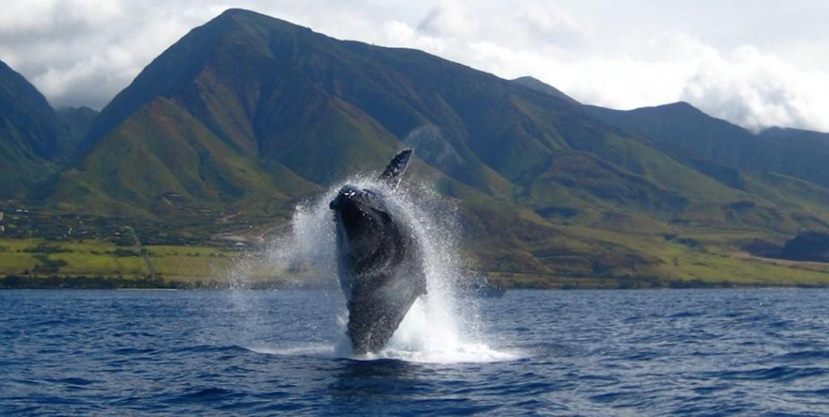
Whale season starts to pick up in December, so you may get early humpback sightings, particularly from Maui. Winter swells return to the North Shore, making beaches like Laniākea and Haleʻiwa more watchable than swimmable. On leeward coasts (Kona, Poipū, South Maui), the water stays swimmable and calm.
Tip: December and January are Hawaii’s “rainy season” on windward coasts, but this mostly means brief, frequent afternoon showers, not days-long grey skies. Choose leeward accommodations and you’ll see rain as a pleasant backdrop, not a problem.
Booking Lead Times: How Far in Advance to Reserve Your Hawaii Rental
This is where most travelers underestimate what they’re dealing with.
| Travel Period | Recommended Booking Lead Time | Notes |
| Christmas / New Year’s week | 6–9 months | Most expensive week of the year |
| Summer (July–August) | 4–6 months | Rental cars and popular properties fill first |
| Spring Break (varies) | 3–5 months | Check your school district’s exact dates |
| Merrie Monarch week (Hilo) | 5–7 months | Hilo and Puna alternatives fill fast too |
| IRONMAN Kona (Oct 10) | 5–7 months | Only affects Kona side of Big Island |
| Thanksgiving week | 4–6 months | Prices nearly double vs. surrounding weeks |
| Shoulder season (Apr, May, Sept, Oct) | 2–3 months | More flexibility, but good properties still go fast |
| Early December (before Dec 15) | 6–8 weeks | Best last-minute value window |
One thing worth knowing is that for timed-entry experiences like the Haleakalā Summit sunrise, which requires a $1 vehicle reservation through Recreation.gov, opening exactly 60 days in advance, you need to plan around the reservation window, not just your travel dates. The same applies to Pearl Harbor’s USS Arizona Memorial (tickets open 56 days ahead and disappear quickly during summer and holidays) and Hanauma Bay’s online reservation system.
Frequently Asked Questions
What is the best time to visit Hawaii to avoid crowds?
September and early October are the least crowded months across all islands. Schools are back in session on the mainland, summer travel has wound down, and the next major holiday rush is still weeks away. You’ll find shorter waits at popular spots like the Road to Hana and Hanauma Bay, and vacation rental inventory is more available than at any other point in the year.
What are the best months to visit Hawaii for good weather?
April, May, September, and October consistently deliver the strongest combination of dry weather and trade wind comfort. May and October tend to be the driest months on the leeward coasts—Kona on the Big Island, South Maui, and South Kauai’s Poipū area stay very dry and sunny. Even in “rainy season” (November–March), leeward coasts remain relatively dry.
When is whale watching season in Hawaii?
Humpback whales are present in Hawaiian waters from roughly December through April, with the peak in February. The Auau Channel between Maui, Lānaʻi, and Molokaʻi holds the highest concentrations. Boat tours out of Māʻalaea Harbor or Kaanapali offer the closest encounters; McGregor Point on Maui’s southwest coast is a reliable shore-based viewing spot during peak months.
When is the cheapest time to visit Hawaii?
September is typically the lowest-priced month for vacation rentals and accommodations across all islands. Early October and the first two weeks of December are also underrated value windows.
Avoid late December, July, August, and spring break weeks if minimizing cost is the priority. Rental pricing in September can run 20–40% lower than peak summer or winter holiday rates.
Does Hawaii have a rainy season?
Technically yes, November through March brings more rainfall, particularly on windward (northeast) coasts. But this varies dramatically by location. The Kona Coast on the Big Island averages around 15 inches of rain per year, while Hilo (on the same island, windward side) gets well over 100.
If you’re visiting during winter months, book a leeward-side vacation rental and the rainy season becomes largely irrelevant to your daily experience.
Is Hawaii safe from hurricanes?
Direct hurricane hits in Hawaii are historically rare, but the official hurricane season runs June 1 through November 30, with August and September carrying the highest risk. The islands sit at the edge of the typical Pacific hurricane belt, and most storms track north or south of the main islands. Travel insurance is worth considering for summer and early fall bookings.
When is the Merrie Monarch Festival?
The Merrie Monarch Festival takes place the week after Easter each year in Hilo on the Big Island. In 2026, it ran April 5–11. It is the most significant hula competition in the world and transforms Hilo for the entire week.
Competition tickets must be requested months in advance via mail-in form; however, the Hawaiian Arts Fair (Monday through Wednesday) and the Wednesday evening exhibition (hoʻolauleʻa) are free and open to the public. Book accommodation in and around Hilo very early if you plan to attend.
What month should I visit Hawaii if I can only go once?
September, if you have flexibility. You get summer-quality weather with warm, dry days and a calm ocean at shoulder-season pricing, with significantly fewer crowds than July or August. The Aloha Festivals add a cultural dimension that makes the month more interesting than a generic beach trip. If September doesn’t work, May is the second-best choice for most travelers.
Find Your Private Oasis in Hawaii.
Browse vacation rentals in Hawaii, all within easy reach of the area’s best spots.